Your driveway is a part of your home you see and use every day. Over time, it naturally faces a lot of wear and tear — but few things are as frustrating as spotting an oil stain. Oil stains on asphalt driveways are not just unsightly; they can also weaken and damage the asphalt if left untreated.
An oil-stained driveway can make an otherwise clean and well-kept home look messy, and the longer the stain sits, the harder it becomes to remove. Fortunately, there are several effective ways to tackle oil stains before they cause long-term problems. In this post, we’ll walk you through proven methods for removing oil stains from asphalt driveways and share some practical tips for preventing future stains, so you can keep your driveway looking its best.
What Causes Oil Stains on Driveways?
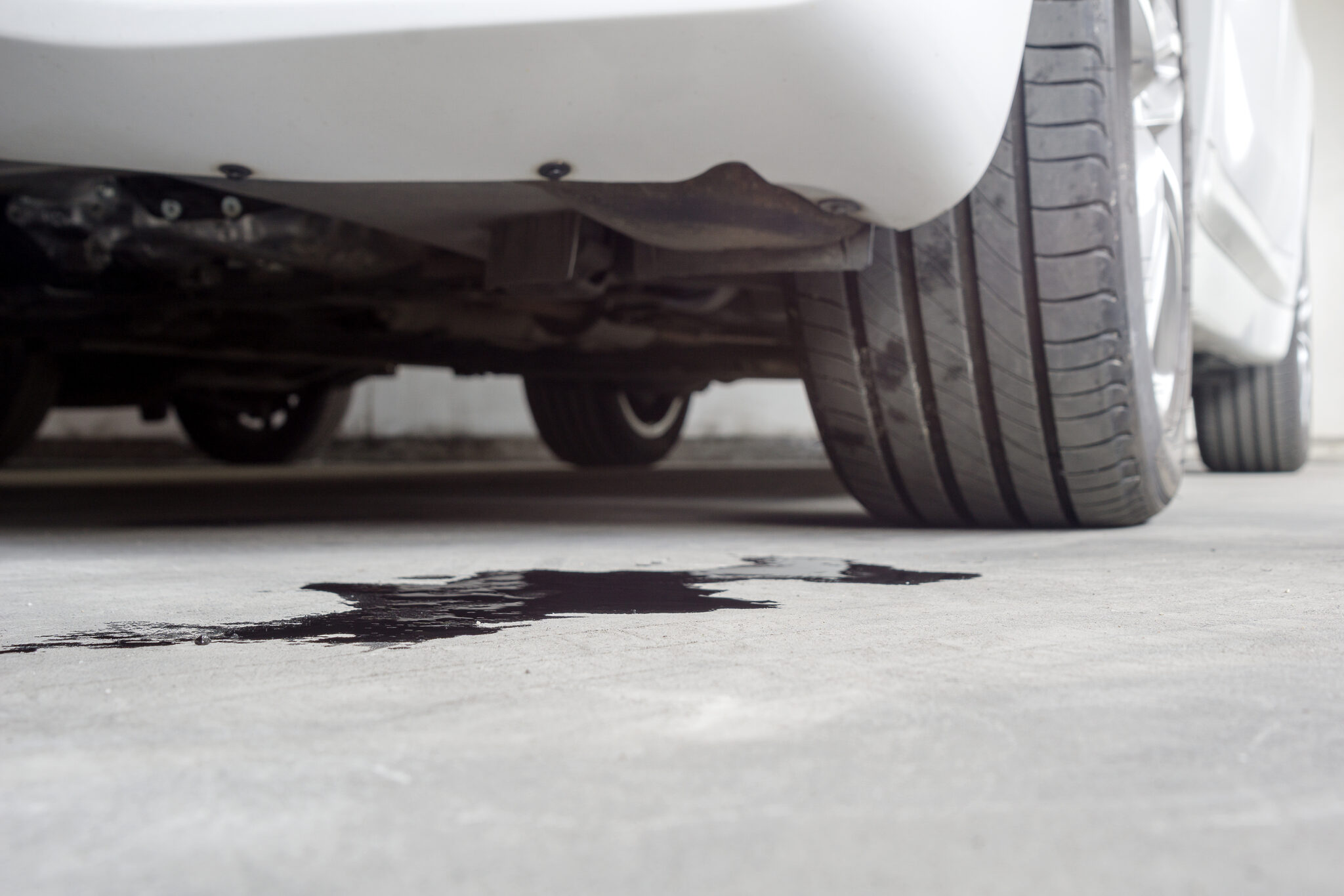
Unfortunately, oil stains are a common issue for homeowners with asphalt driveways. The primary culprits of these stains are vehicles that leak engine oil, transmission fluid, or other lubricants. These stains can also appear in a few other ways, including accidental spills from oil changes and oil residue from nearby construction. Oil stains can seep into the small cracks and ridges of the asphalt, creating stubborn stains. Not only do these stains reduce the curb appeal of the property, but they can also cause long-term damage when ignored. Homeowners should be wary of oil stains on their asphalt driveway and act quickly to fix them when they appear.
Impact of Oil Stains on Asphalt
Oil stains on asphalt driveways are a problem for a variety of reasons. Aesthetically, they create dark, blotchy patches that can make an otherwise well-maintained driveway look neglected and messy. These stains also attract dirt and debris, which makes them more challenging to clean. Over time, as more oil builds up, the stains can spread and become more noticeable. Considering that driveways are one of the first things people notice about a home, a clean and spill-free driveway gives a great impression to neighbors and visitors.
Aside from visual appeal, oil stains can also cause serious structural damage over time. Asphalt is a petroleum-based material. When the asphalt comes into contact with oil, the oil breaks down the binder that holds the asphalt together and weakens the structure of the driveway. This can lead to soft spots, cracks, and eventually potholes, which can be costly to repair. Additionally, oil stains can make the surface of the driveway slippery, posing a safety hazard for pedestrians. Thankfully, oil stains are not permanent and can be removed with enough knowledge and patience.
How to Remove Oil Stains from an Asphalt Driveway
Cleaning oil stains on an asphalt driveway can be intimidating, especially if it’s your first time. You should act swiftly when you notice an oil spill so it doesn’t become more problematic; newer spills are often much easier to clean. It’s possible to restore your driveway’s surface to its original condition with the right approach. Here are some methods homeowners can use:
- Absorbent Materials: Apply materials like cat litter, baking soda, or cornstarch to the area to soak up as much of the oil as possible. Spread the material over the stain and let it sit for several hours or overnight before sweeping it up. This is the same method restaurants use to clean up oil spills in their kitchens, and it only works on fresh stains.
- Detergents and Cleaning Solutions: After removing the excess oil of a new spill, apply a mixture of warm water and dish detergent or a commercial degreaser. Then, scrub the area thoroughly with a stiff brush. Wash the residue away with a garden hose. If this method doesn’t remove the stain completely, repeat the process or try using a pressure washer.
- Pressure Washing: For more stubborn stains, a pressure washer can be a great option. The high-pressure water can help lift and remove stubborn oil. You can buy your own pressure washer or request service from a pressure washing company. Places like Home Depot or Lowes often have renting options for tools like this as well.
- Specialized Cleaners: There are specialized asphalt cleaning products that are designed to break down and remove oil stains. Make sure to follow the manufacturer’s instructions.
- Professional Help: If the stain is particularly large or persistent, it may be time to call a professional. Companies that specialize in asphalt maintenance have access to industrial-grade cleaning solutions and equipment that can effectively remove even the toughest stains. They can also provide preventative measures to help prevent future oil stains on your asphalt surfaces.
You can find the most cost-effective method for your situation by following these techniques. If you’re dealing with a minor or fresh oil stain, it may be easier to clean your driveway yourself. However, if your stain is too stubborn to handle alone, it may be time to contact a professional. Once your asphalt driveway is clean and oil-free, it’s important to maintain it properly and prevent any future damage.
Prevent Oil Stains from Happening in the First Place
Preventing oil stains on an asphalt driveway is less grueling and expensive than removing them. One of the most effective preventative measures is regular sealcoating. Sealcoating acts as a protective layer on the surface of the asphalt, which helps to prevent oil and other substances from damaging the asphalt underneath. This protective barrier not only brightens the appearance of the driveway but also extends its lifespan by protecting it from spills and daily wear and tear. When sealcoating, it’s important to consider time and weather conditions for a clean and durable finish.
In addition to sealcoating, homeowners can take other preventative steps, such as placing drip pans or absorbent mats under vehicles to catch leaks and spills before they can reach the asphalt. Regular vehicle maintenance helps minimize the risk as well. Vehicles that are in good shape are less likely to leak oil on your driveway. By addressing small spills and accidents quickly, homeowners can prevent them from becoming larger, more stubborn problems that cause long-term damage to their driveways. Preventing oil stains will be beneficial in the long run and will help you maintain a great curb appeal.
Get Rid of Tough Oil Stains with Superior Asphalt
Dealing with oil stains on your asphalt driveway doesn’t have to be a headache. By understanding what causes these stains and taking action quickly, you can maintain the appearance and integrity of your driveway. For those tough stains that just won’t budge, Superior Asphalt offers professional asphalt maintenance services to get your driveway looking like new again. Our team has the expertise and equipment to remove oil stains effectively and prevent future ones from occurring. Contact us today for a free quote!