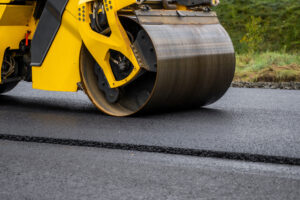
At first glance, bitumen and tar might look like the same thick, black substance used to seal roads or protect surfaces from water. They’re both sticky, dark, and often associated with pavement and roofing, so it’s no surprise that people often use the terms interchangeably. But when it comes to performance, composition, and long-term durability, they’re two very different materials. So what exactly sets them apart? Is one better for road construction, while the other excels in waterproofing? Are there safety or environmental concerns you should be aware of before choosing? In this post, we’re breaking down bitumen vs tar in clear, practical terms. You’ll learn where each material comes from, how they behave under stress and weather, and where they’re typically used in today’s construction and paving industries.
What is Bitumen?
Bitumen is a thick, sticky, black substance derived from petroleum. It is usually obtained through the distillation of crude oil in refineries as a byproduct of the oil refining process. It can also be found in natural deposits, such as oil sands, though it is a less common practice because the extraction is more expensive. Once refined, bitumen is used primarily as a binder in asphalt for road construction.
One of the most important features of bitumen is its ability to act as a waterproofing and binding agent. It offers strong adhesion to aggregates, which is why it’s an unreplaceable component in asphalt pavement. Bitumen is prized for its durability, weather resistance, and relatively stable performance under a wide range of temperatures and conditions.
Thanks to its refined nature, bitumen is consistent in quality, easy to work with, and safe for widespread use in both residential and commercial applications. It is also recyclable, making it a more sustainable option compared to most older materials. The most common form used in construction is hot mix asphalt, which combines heated bitumen with aggregates to create a strong, flexible surface that can withstand heavy and frequent traffic. However, cold mix and warm mix asphalt are still fairly sought after for certain applications.
What is Tar?
Tar, unlike bitumen, is procured from the destructive distillation of organic materials such as wood or coal. Several types of tar have distinct properties depending on their source. Coal tar, for example, was once widely used in road construction, roofing, and waterproofing, and has long been used to treat various skin conditions. It is a byproduct of the coking process used in steel manufacturing. Wood tar, which was another widely used product, had many purposes throughout history, such as medicinal ointment and sealing/waterproofing the hulls of wooden ships.
Tar is known for its strong odor, sticky consistency, and chemical complexity. It has historically been used as a sealant and protective coating because of its water resistance. However, coal tar in particular has fallen out of favor due to its hazardous nature. It contains polycyclic aromatic hydrocarbons (PAHs), many of which are known carcinogens.
Additionally, tar is less stable under temperature fluctuations compared to bitumen. It tends to become brittle in cold weather and soft in hot temperatures, which can cause frequent cracking or deformations. Because of these drawbacks, tar is now used less frequently in modern construction, reserved instead for specialty uses or restoration of historic surfaces. Although many use the terms “bitumen” and “tar” interchangeably, they are not the same and have separate uses.
Bitumen vs Tar: How Do They Compare?
While both substances are dark, viscous, and used in somewhat similar applications, they have many differences. A combination of differences, from performance to environmental concerns, lead professionals to lean towards one over the other in modern-day applications:
Source and Production:
- Bitumen is a refined petroleum product, commonly extracted during the crude oil distillation process.
- Tar is derived from the pyrolysis of organic materials like coal or wood.
Performance:
- Bitumen offers greater consistency, durability, and temperature resistance. It maintains integrity in both hot and cold conditions and is ideal for paving roads and driveways.
- Tar is more prone to temperature-related failures, such as softening or cracking. It does not perform as well under stress or heavy traffic.
Health and Environmental Safety:
- Bitumen is considered safer, although fumes from hot mix applications should still be managed with proper safety measures.
- Tar, especially coal tar, poses significant health risks due to its high PAH content. It is regulated or banned in many areas.
Applications:
- Bitumen is widely used in paving, roofing, and waterproofing due to its versatility and reliability.
- Tar is mostly found in niche applications like heritage road preservation or more traditional waterproofing techniques.
Cost and Availability:
- Bitumen is readily available and cost-effective due to its widespread production and demand.
- Tar is less accessible and more expensive to produce, making it a less practical choice for most modern projects.
Hopefully, by now, you have gotten a good idea of what differentiates the two substances. In most cases, people referring to tar in asphalt production and paving are actually thinking of bitumen, which is much more frequently used today.
Choosing between Bitumen and Tar
For most property owners and construction professionals, bitumen is the superior choice. Its reliability, lower health risks, and performance advantages make it a practical solution for roads, driveways, parking lots, and roofing. It holds up well under traffic, blocks off water effectively, and integrates easily into modern paving equipment and processes.
If you’re managing a commercial lot or overseeing municipal projects, bitumen is usually specified due to its proven track record and can take various forms depending on the project. Its adaptability across climates and ability to be recycled also add to its appeal.
However, there are limited scenarios where tar is still preferred. For example, historic preservation projects or restoration efforts may require traditional materials like coal tar to keep the appearance authentic. In those cases, precautions should be taken to handle and apply tar safely.
To make an informed decision, consider the following:
- Project type: Is this a new road, a parking area, or a restoration of an old surface?
- Environmental and safety regulations: Are there local restrictions on coal tar use?
- Climate conditions: Will the surface be exposed to extreme temperatures?
- Budget and availability: Is bitumen more cost-effective and easier to source in your area?
Consulting with paving professionals or contractors can also help clarify which material is right for your project. In most modern scenarios, bitumen will meet your needs more effectively and safely.
Superior Asphalt Can Maintain Your Asphalt for You
Although bitumen and tar may look similar on the surface, their differences run deep. Bitumen, derived from petroleum, is the go-to choice in modern infrastructure thanks to its durability, lower health risks, and environmental compatibility. Tar, on the other hand, is largely a product of the past, now reserved for niche or historical applications due to its strong odor and potential safety concerns. Whether you’re overseeing a paving job or researching better materials for your property’s maintenance plan, understanding these differences empowers you to make smart, cost-effective decisions. At Superior Asphalt, we take pride in providing top-notch materials and asphalt maintenance services, ensuring the longevity of your pavement. Get in touch with us for a property-specific quote today. We’re here to help you build surfaces that last.