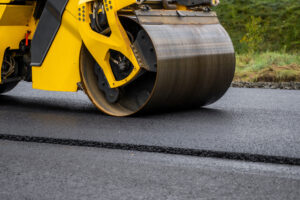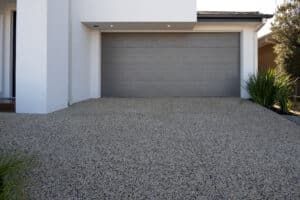
If you have been exploring pavement options for your property, you may have noticed the term Stone Mastic Asphalt appearing more and more. At first glance, it might seem like just another type of asphalt mix, but SMA has earned a strong reputation for its durability, performance, and ability to withstand heavy use. So what exactly makes Stone Mastic Asphalt different, and why are so many property owners and municipalities choosing it for long-lasting pavement solutions? In this guide you will learn what Stone Mastic Asphalt is, how it works, where it performs best and what you should consider when deciding if it is the right fit for your project.
What Is Stone Mastic Asphalt (SMA)?
Stone Mastic Asphalt, commonly referred to as SMA, is a specialized asphalt mixture engineered for strength, durability, and resistance to heavy traffic wear. Originally developed in Europe to handle extreme traffic loads, SMA was designed to solve problems associated with rutting and surface deformation that often occur with traditional asphalt under constant stress.
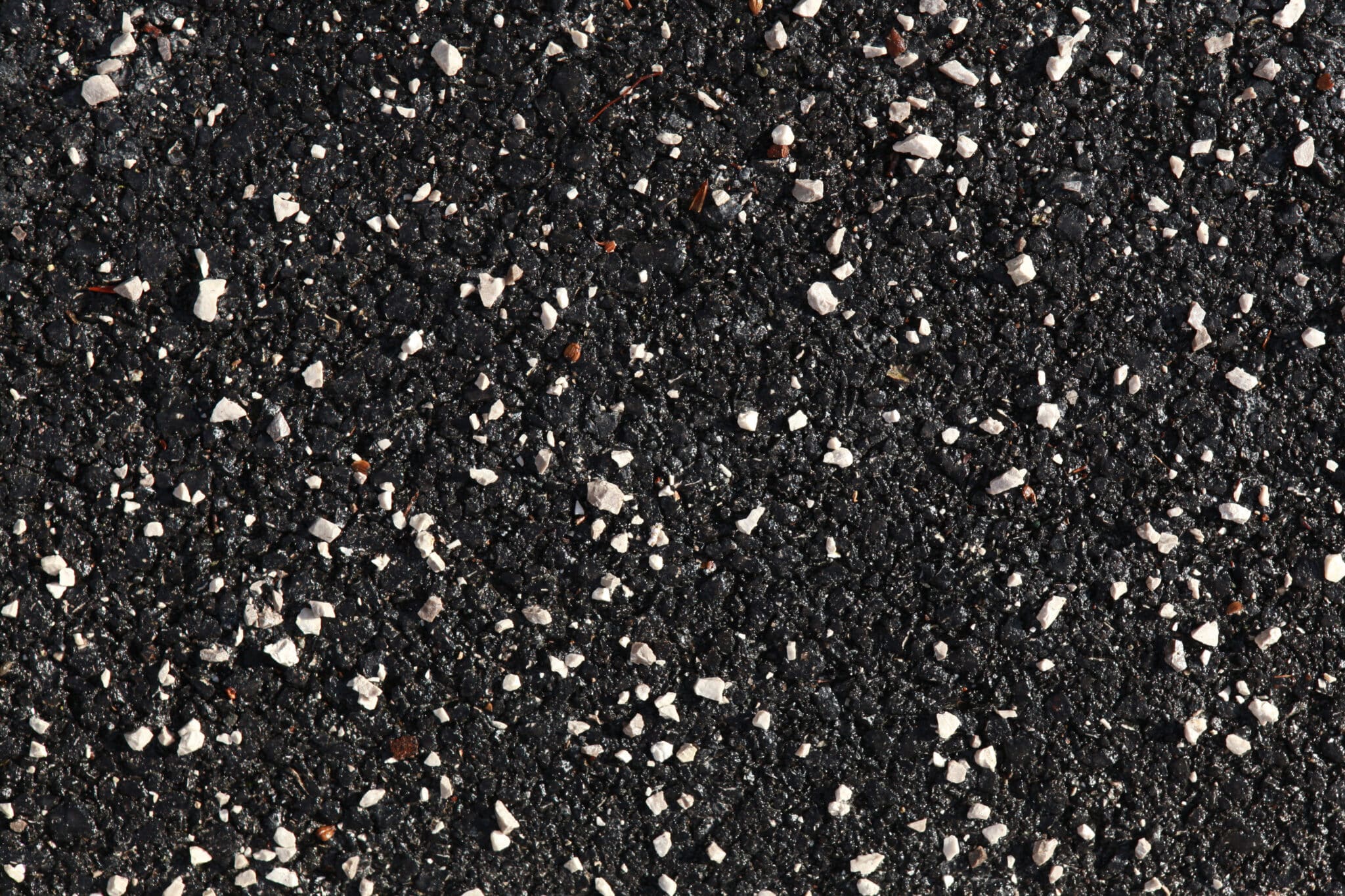
Unlike conventional asphalt mixes, SMA contains a higher percentage of crushed stone aggregate and a lower proportion of fine aggregates. This allows the stone particles to interlock tightly, forming a strong internal skeleton. The asphalt binder fills the gaps between these stones and acts as a flexible adhesive, holding the structure together while allowing it to absorb traffic stresses without cracking.
Another defining feature of SMA is the use of stabilizing additives such as fibers or polymers. These materials prevent the asphalt binder from draining during production and placement, which helps maintain the uniformity and consistency of the mixture. The result is a dense, tough surface that excels in high-traffic environments.
SMA vs. Traditional Hot Mix Asphalt (HMA)
While Stone Mastic Asphalt and traditional, Hot Mix Asphalt may appear similar at first glance, their internal structures and performance characteristics differ significantly.
Traditional HMA relies on a more balanced blend of coarse and fine aggregates, creating a smoother surface that is easier to install and more cost-effective for low to moderate traffic areas. However, this balance can make HMA more susceptible to rutting and long-term wear when exposed to frequent heavy loads.
SMA, by contrast, prioritizes strength over simplicity. Its stone-on-stone contact structure distributes vehicle weight more effectively, reducing surface deformation and extending pavement life. Although SMA typically costs more upfront and requires experienced installers, it often delivers greater long-term value due to reduced maintenance needs and improved durability.
The table below demonstrates their main differences:
| Feature | Stone Mastic Asphalt (SMA) | Traditional Hot Mix Asphalt (HMA) |
| Aggregate Structure | Stone-on-stone contact with a high percentage of coarse aggregate | Balanced blend of coarse and fine aggregates |
| Load Distribution | Excellent load distribution, designed to handle heavy and repeated traffic | Moderate load distribution, best for lighter traffic volumes |
| Rutting Resistance | Very high resistance to rutting and surface deformation | More prone to rutting under heavy or slow-moving traffic |
| Surface Texture | Slightly coarser, textured surface that improves skid resistance | Smoother surface finish |
| Durability | Long-lasting with strong resistance to weather and wear. | Durable for standard use, but shorter lifespan under stress |
| Maintenance Needs | Lower long-term maintenance requirements | May require more frequent repairs over time |
| Installation Complexity | Requires specialized mix design and experienced installers | Easier and faster to install |
| Upfront Cost | Higher initial cost | Lower initial cost |
| Best Use Cases | High-traffic roads, intersections, industrial sites, bus lanes | Residential streets, driveways, parking lots, low to moderate traffic areas |
Although HMA is the more conventional choice for most paving projects, SMA offers performance boosts and extended lifespans in high-traffic areas.
How Stone Mastic Asphalt Works
The performance of Stone Mastic Asphalt comes down to how its components interact under pressure. The crushed stone aggregates form the backbone of the pavement, transferring loads horizontally across the surface rather than allowing stress to concentrate in isolated areas. This minimizes rutting, especially in locations where vehicles stop, turn, or idle.
The rich asphalt binder content plays a crucial supporting role. It coats the aggregate thoroughly, providing flexibility and resistance to cracking caused by temperature fluctuations. This makes SMA particularly effective in regions that experience hot summers, cold winters, or both.
SMA surfaces also tend to offer improved skid resistance. The coarse stone texture maintains grip even as the pavement ages, which is safer for vehicles and pedestrians alike. Combined with excellent resistance to moisture damage, SMA creates a pavement system that performs consistently year after year.
Benefits of Stone Mastic Asphalt for Property Owners
Stone Mastic Asphalt offers a range of benefits that make it an attractive option for both public and private properties.
One of the most notable advantages is exceptional durability. SMA is engineered to withstand heavy traffic volumes, making it ideal for commercial parking lots, industrial facilities, and high-use roadways. Property owners often experience fewer surface failures compared to standard asphalt mixes.
SMA also delivers long-term cost efficiency. While installation costs may be higher initially, the extended service life and reduced frequency of repairs often offset that investment over time. Fewer potholes, less rutting, and slower surface deterioration mean lower maintenance budgets in the long run.
Additional benefits include:
- Improved resistance to cracking and deformation
- Enhanced surface traction for safer driving conditions
- Better performance under heavy loads and frequent braking
- A visually uniform, professional pavement appearance
For property owners focused on longevity and reliability, SMA represents a smart, forward-thinking pavement solution.
Stone Mastic Asphalt Maintenance Guide
Even the most durable pavement requires proper maintenance, and Stone Mastic Asphalt is no exception. The good news is that SMA typically demands less frequent maintenance than traditional asphalt when cared for correctly.
Routine inspections are the foundation of effective SMA maintenance. Property owners should periodically check for early signs of surface wear, such as minor cracking or isolated damage caused by heavy equipment or utility work. Catching these issues early prevents them from developing into more costly repairs.
Sealcoating plays an important role in protecting SMA surfaces. Applying a high-quality sealcoat every few years helps shield the asphalt binder from UV exposure, moisture intrusion, and chemical spills. This preservation step extends the life of the pavement while maintaining its appearance.
When repairs are needed, they should be performed using compatible materials and techniques. Improper patching or inferior mixes can compromise the structural integrity of SMA. Working with experienced asphalt professionals makes sure that repairs blend seamlessly with the existing surface and maintain performance standards.
With consistent care, SMA surfaces can deliver decades of reliable service. This makes them a strong long-term investment, especially for high-traffic roadways that frequently support heavy vehicles and equipment.
Superior Asphalt Can Help Maintain Your Stone Mastic Asphalt Surface
Stone Mastic Asphalt has become a trusted choice for long-lasting and resilient pavement because of its superior structure, impressive durability, and ability to stand up to heavy traffic and challenging weather. If you are thinking about resurfacing or installing a new asphalt surface and want support from a team that understands how to maintain and protect SMA, Superior Asphalt is ready to help. Whether you need maintenance, repairs, or expert guidance, our team is here to make sure your SMA pavement delivers the performance and longevity you expect. Contact us today for a property-specific quote.