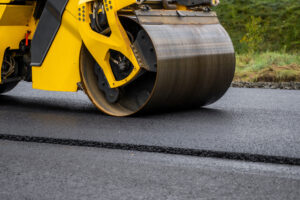
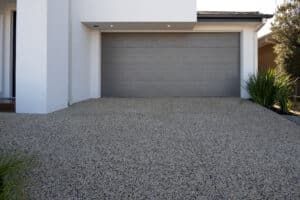
If you have ever dealt with puddling water, pooling runoff, or drainage issues on your property, you know how frustrating and costly those problems can become. What if there were a pavement option that actually allowed water to pass through the surface instead of collecting on top of it? Porous asphalt is designed to do exactly that, and it has quickly become one of the most talked-about solutions in sustainable pavement design. But what is porous asphalt, and how does it manage stormwater so effectively? In this guide, you will learn what makes porous asphalt unique, how the system works from the surface layer all the way down to the stone recharge bed, and why it has become a go-to choice for property owners.
What Is Porous Asphalt?
Porous asphalt is a specialized pavement system designed to allow water to drain directly through the surface instead of running off into storm drains or pooling on top of the pavement. Unlike traditional asphalt, which is dense and impermeable, porous asphalt is engineered with an open-graded aggregate structure that creates interconnected voids throughout the pavement layer.
These voids allow rainwater and snowmelt to pass through the asphalt surface and into an underlying stone recharge bed. From there, water either slowly infiltrates into the soil below or is temporarily stored and released at a controlled rate. This design helps mimic natural hydrology, reducing surface runoff and easing pressure on municipal stormwater systems.
Porous asphalt is not just a surface material but part of a complete pavement system. It typically includes:
- A porous asphalt wearing course
- A uniformly-graded stone reservoir layer
- A filter fabric to prevent soil migration
- Prepared subgrade designed for infiltration
Due to this layered system, proper design and installation are crucial. When installed correctly, porous asphalt provides both structural support and effective stormwater management, making it a popular choice for environmentally-conscious developments.
Porous Asphalt vs Traditional Asphalt
Porous asphalt differs from traditional asphalt in many ways. The table below highlights their main differences:
| Feature | Porous Asphalt | Traditional Asphalt |
| Primary Purpose | Manages stormwater by allowing water to drain through the surface | Sheds water off the surface toward drains and runoff areas |
| Permeability | Highly permeable due to open-graded structure | Impermeable; designed to repel water |
| Aggregate Structure | Fewer fine aggregates, creating void spaces | Dense-graded mix with balanced coarse and fine aggregates |
| Drainage Method | Water infiltrates through pavement into stone recharge bed | Requires surface drainage, storm drains, or retention basins |
| Load Distribution | Relies heavily on the stone base for structural support | Distributes loads within the asphalt surface layer |
| Safety Performance | Reduces hydroplaning, standing water, and surface ice | More prone to puddling and slick conditions during rain |
| Freeze-Thaw Resistance | Reduced freeze-thaw damage due to rapid drainage | More susceptible to cracking from trapped moisture |
| Environmental Impact | Filters pollutants, supports groundwater recharge | Can contribute to runoff and downstream pollution |
| Upfront Cost | Typically higher initial installation cost | Generally lower upfront cost |
| Long-Term Value | Can reduce drainage infrastructure costs and improve site performance | Often requires additional stormwater infrastructure |
| Best Applications | Parking lots, driveways, sidewalks, low-traffic areas | Roads, highways, heavy-traffic and industrial areas |
| Maintenance Focus | Requires regular vacuuming to maintain permeability | Focuses on crack sealing and surface preservation |
Traditional asphalt is designed to shed water quickly, which can contribute to runoff, erosion, and localized flooding. Porous asphalt, by contrast, is designed to absorb and manage water at the pavement level.
Benefits of Porous Asphalt for Property Owners
Porous asphalt offers a wide range of benefits that extend beyond simple drainage improvements.
Stormwater management benefits:
- Allows water to infiltrate directly through the pavement
- Reduces total runoff volume and peak flow rates
- Helps properties meet local and municipal stormwater regulations
- Minimizes erosion and downstream flooding risks
Safety and performance advantages:
- Reduced surface water improves traction during rain
- Lower risk of vehicle hydroplaning
- Lower risk of slips and falls in pedestrian areas
- Fewer freeze-thaw cycles, which reduces cracking and slows surface deterioration in colder climates
Environmental benefits:
- Natural filtration of pollutants such as oils, heavy metals, and sediments
- Supports groundwater recharge
- It can contribute to reduced urban heat island effects due to its lighter surface color and evaporative cooling
Cost savings can emerge over time as well. While installation costs may be higher than conventional asphalt, porous asphalt can reduce or eliminate the need for retention ponds, storm drains, and other drainage infrastructure. For many property owners, this results in long-term financial and functional benefits.
Ideal Applications for Porous Asphalt
Porous asphalt performs best in applications where stormwater management is a priority and traffic loads are moderate.
Parking lots
These are one of the most common uses, particularly for commercial properties, schools, medical facilities, and office complexes. These areas typically generate large volumes of runoff and benefit greatly from on-site infiltration.
Residential driveways
Driveways are another common application, especially in neighborhoods with drainage challenges or strict environmental requirements. Porous asphalt can help prevent water from flowing onto adjacent properties or streets while maintaining a clean and attractive surface.
Pedestrian areas
These areas, such as sidewalks, trails, and plazas, also benefit from porous asphalt. The improved drainage enhances safety and comfort while supporting sustainable design goals. In some cases, porous asphalt is used on low-speed roadways, alleys, and access drives, provided the pavement is designed to handle expected loads.
However, porous asphalt is not suitable for every situation. Sites with high clay content, poor soil infiltration, or heavy industrial traffic may require alternative solutions or additional engineering considerations.
Maintenance Requirements for Porous Asphalt
Proper maintenance is essential to keep porous asphalt functioning as designed. The most important maintenance goal is preserving permeability by preventing clogging of the surface voids. Over time, debris, sediment, and organic material can accumulate and reduce infiltration rates if not addressed.
Routine maintenance typically includes:
- Regular vacuum sweeping to remove fine debris
- Prompt removal of leaves, dirt, and sediment
- Avoiding sand application during winter maintenance
- Inspecting drainage performance after heavy storms
Pressure washing may be used in some cases to restore permeability, but it should be performed carefully to avoid damaging the surface or pushing debris deeper into the pavement. Snow removal should be done using rubber-edged plows to prevent surface damage.
Crack sealing and patching should be handled by professionals familiar with porous asphalt systems. Using incompatible materials or improper repair methods can block drainage pathways and compromise performance. With consistent care, porous asphalt can deliver a long service life while maintaining its stormwater management benefits.
Contact Superior Asphalt: Maintain Your Porous Asphalt System
Porous asphalt offers an effective and environmentally responsible way to manage stormwater while still delivering a strong and durable pavement surface. As you have learned, its open graded structure allows water to drain through the pavement, reducing runoff, preventing flooding, and improving long-term site performance. If you have a porous asphalt surface, it is important to have a knowledgeable team that understands how to maintain these systems correctly. Superior Asphalt can maintain these systems for Utah property owners and ensure that your porous pavement continues to function as designed. When you are ready to take the next step, our team is here to answer questions, provide guidance, and help you get the most out of your investment. Contact us to learn more.