When comparing asphalt millings vs. gravel, understanding the key differences is essential before choosing a surface material for your property. The right choice can impact durability, maintenance needs, and overall cost over time. By comparing factors such as material composition, installation process, performance, and long-term value, you can determine which option best fits your project. From driveways and access roads to walkways and landscaping applications, knowing the pros and cons of asphalt millings and gravel helps you make a practical, informed decision.
Asphalt Millings vs. Gravel: Which is Best for Your Property?
Asphalt millings and gravel are two popular options often considered for parking lots, roads, and driveways, each offering distinct advantages depending on your specific needs. Below, we’ll explore the key differences in physical properties, application processes, and average costs to help you make an informed decision that aligns with your project requirements and budget.
Asphalt Millings vs. Gravel: Physical Properties
Asphalt milling, also known as reclaimed asphalt pavement (RAP), is the process of grinding recycled asphalt. This material is typically sourced from the resurfacing or removal of existing asphalt, making it an eco-friendly option. The recycling process not only reduces waste but also helps conserve natural resources by repurposing old asphalt for new projects.
Since asphalt millings are made from previously used asphalt, their physical properties can vary significantly. For example, some recycled asphalt might contain less durable materials than others, potentially affecting the overall quality and longevity of the surface. Additionally, it may not have the same refined and polished look as new asphalt due to the various materials sourced, which can result in a more rustic or uneven appearance. However, this variability can be minimized with proper screening and quality control during the milling process.
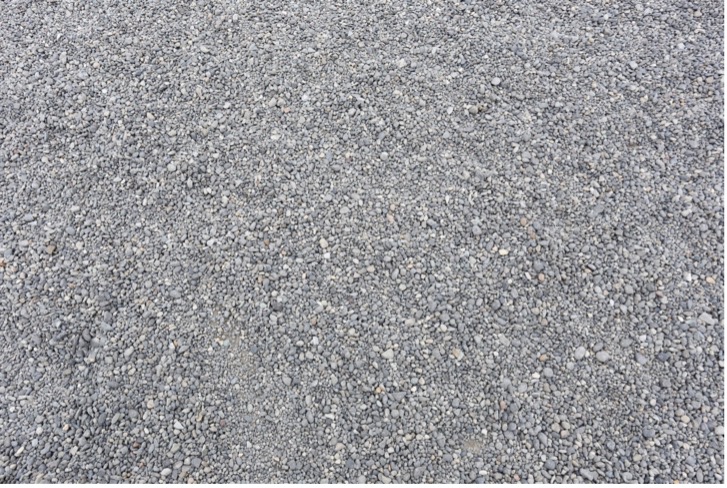
Gravel is made of small rocks, stones, and sand particles. It’s commonly used in road construction, landscaping, and as a base material for various construction projects. Its physical design is also used for natural aesthetics in driveways and walkways.
Asphalt vs. Gravel: Durability and Drainage
When comparing asphalt millings and gravel, cost and longevity are often the biggest factors for homeowners or businesses.
- Asphalt Millings: While the upfront cost of asphalt millings might be slightly higher than gravel, they offer significant long-term savings. Once compacted, millings create a hard, durable surface that requires minimal maintenance. Their compact nature helps prevent water pooling and reduces the need for regular re-grading. They are more durable and work best for hight-traffic areas.
- Gravel: Gravel is usually cheaper initially, but it tends to shift and move over time, requiring periodic replenishment and maintenance. Without proper upkeep, potholes or washouts can develop, which can increase costs in the long run.
While asphalt millings may seem like the better option due to their durability and long-term savings, gravel is more permeable for water. It offers strong drainage to prevent standing water and drainage issues like puddles and floods. And due to its rocky surface, it offers a non-slip surface with solid traction, making it safer for walking and driving in wet weather conditions. However, it’s not ideal for high-traffic volume areas since it’s not smooth like asphalt millings, which could potentially damage fast-moving vehicles and the gravel itself.
Asphalt vs. Gravel: Application Process
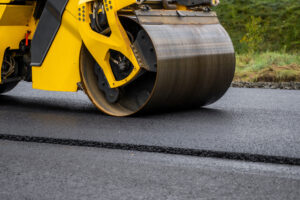
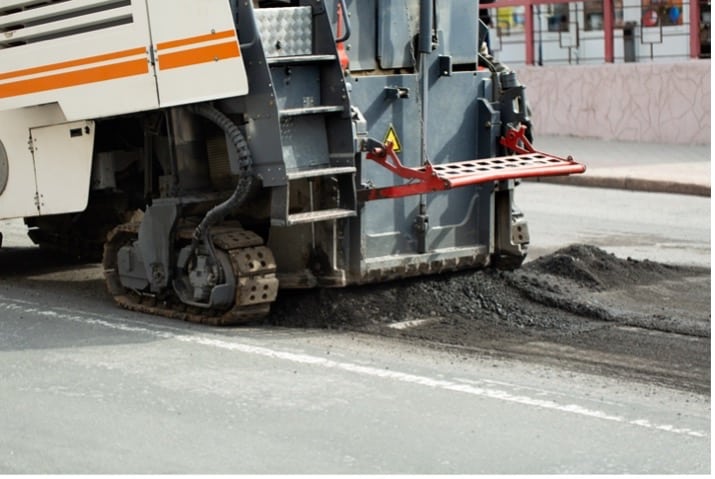
Asphalt millings are created by using heavy machinery to grind existing asphalt surfaces into small, reusable pieces. The process begins by removing the top layer of old asphalt, which is then crushed and repurposed as aggregate for new surfaces. Once laid, the millings are compacted to help them bind together and form a solid, stable surface. In many cases, sealcoating is applied to further lock the material in place and improve durability. This installation process is relatively quick, making asphalt millings a practical option for minimizing downtime and reducing overall project timelines.
Gravel installation is typically more straightforward, but proper preparation is still critical for long-term performance. A well-prepared base is needed to prevent sinking, shifting, and drainage issues over time. Once the base is in place, the gravel is evenly spread and leveled to create the desired surface. While gravel does not bond like asphalt millings, correct installation helps improve stability and usability.
Asphalt Millings vs. Gravel: Costs, Average Lifespan, and Maintenance
Since asphalt millings use recycled asphalt, it’s more cost-effective than fresh asphalt. The average cost of asphalt is between $80 – $160 per cubic yard, whereas asphalt millings cost between $12 – $32 per cubic yard plus delivery and installation.
As for lifespan, the average lifespan of asphalt depends on if it’s new or existing. For new asphalt, it lasts six months before sealcoating is required for optimal maintenance. For existing asphalt, sealcoating is needed every 3 to 5 years to preserve its lifespan. It’s also a good idea to get sealcoating done if you choose to go with asphalt millings to get a higher quality surface closer to asphalt.
Gravel will be the more cost-effective route, generally costing are around $10 – $50 per cubic yard, depending on the type of gravel, project size, and labor. While the cost per cubic yard is roughly the same range, asphalt millings require more more labor, and more depth, which ends up making it more expensive. The average lifespan for roadway gravel with 300 cars daily is between 12 and 15 years. For maintenance, minimal upkeeping is required for occasional leveling, cleaning, and adding some more gravel every few years to preserve its lifespan.
Asphalt Millings vs. Gravel: Seasonal Performance
The performance of your surface can vary greatly depending on the climate and weather conditions in your area.
Asphalt Millings: Once compacted, asphalt millings hold up well against temperature swings and heavy use. In hot summers, they resist softening better than fresh asphalt because they’ve already gone through a curing process. During winter, millings provide a smoother surface for snow removal and are less likely to be displaced by plows compared to gravel.
Gravel: Gravel tends to shift more during seasonal changes. Heavy rain can wash out sections, while snowplows can push rocks aside, leading to uneven surfaces that require re-leveling in spring. On the other hand, gravel handles freeze-thaw cycles better than solid asphalt since water can naturally drain through the surface, reducing cracking.
Understanding how each material reacts to seasonal weather helps you choose the option that provides the least maintenance and best performance year-round.
Millings vs. Gravel: Which is Best for Your Property?
Now that you understand the key differences between gravel vs. asphalt millings, we’ll break down the pros and cons of each.
Asphalt milling is a sustainable and durable option. If you’re a property owner with a busy parking lot or facility with heavy truck loading, then asphalt millings are the better choice over gravel. Its smooth and strong surface can withstand heavy traffic volume. However, maintenance and potential appearance variations should be considered when considering this option over fresh asphalt.
| Asphalt Millings | Gravel |
| Sustainable option with recycled asphalt | New material sourcing |
| Smoother surface | Rough, rocky surface |
| Quick installation with minimal closure duration | Base preparation required before installation |
| Drainage system installation may be required | Strong water drainage |
| Periodic sealcoating | Cleaning maintenance required |
| Ideal for heavier traffic volume | Ideal for low traffic volume |
The choice of gravel type depends on factors like the intended use, aesthetics, and the project’s specific requirements. Gravel is not ideal for high and heavy traffic volume areas due to its rocky surface that can damage fast-moving vehicles. It’s best for homeowners with driveways and walkways for safer walking with families in rainy weather.
Get Help Deciding if Asphalt or Gravel is Best for Your Property
Whether you’re looking for a smooth and durable surface from asphalt millings or prefer a more rustic option from gravel, understanding the characteristics and benefits of each allows you to select the suitable material that meets your property’s needs. Now that you know the differences between asphalt millings vs. gravel, you can make an informed decision.
Still need help deciding which is best?
Contact us for asphalt maintenance services and questions on which asphalt materials are best for your property today!
FAQs
What are the benefits of asphalt millings?
Asphalt millings are durable, long-lasting, and require less maintenance, which can save you money long-term. Asphalt millings are best for high-traffic areas and heavily used roads.
What are the benefits of gravel?
Gravel has a lower upfront cost, and provides better drainage which prevents standing water and large puddles.
How much do asphalt millings cost?
Asphalt millings cost between $12 – $32 per cubic yard
How much does gravel cost for a parking lot?
Gravel surfaces cost between $10 – $50 per cubic yard, but generally require less depth than asphalt millings, making it more cost effective upfront.