When you understand how potholes form, you can spot the early clues and stop them before they turn into tire-eating headaches. In this guide, we’ll break the problem down layer by layer. You’ll see how tiny surface cracks let water into the pavement, what freeze–thaw does to that trapped moisture, and how traffic loads pump fines out of the base until the surface collapses. By the end, you’ll know exactly why potholes seem to “appear overnight,” how to cut them off at the source, and which maintenance choices protect your asphalt.
What Exactly Is a Pothole?
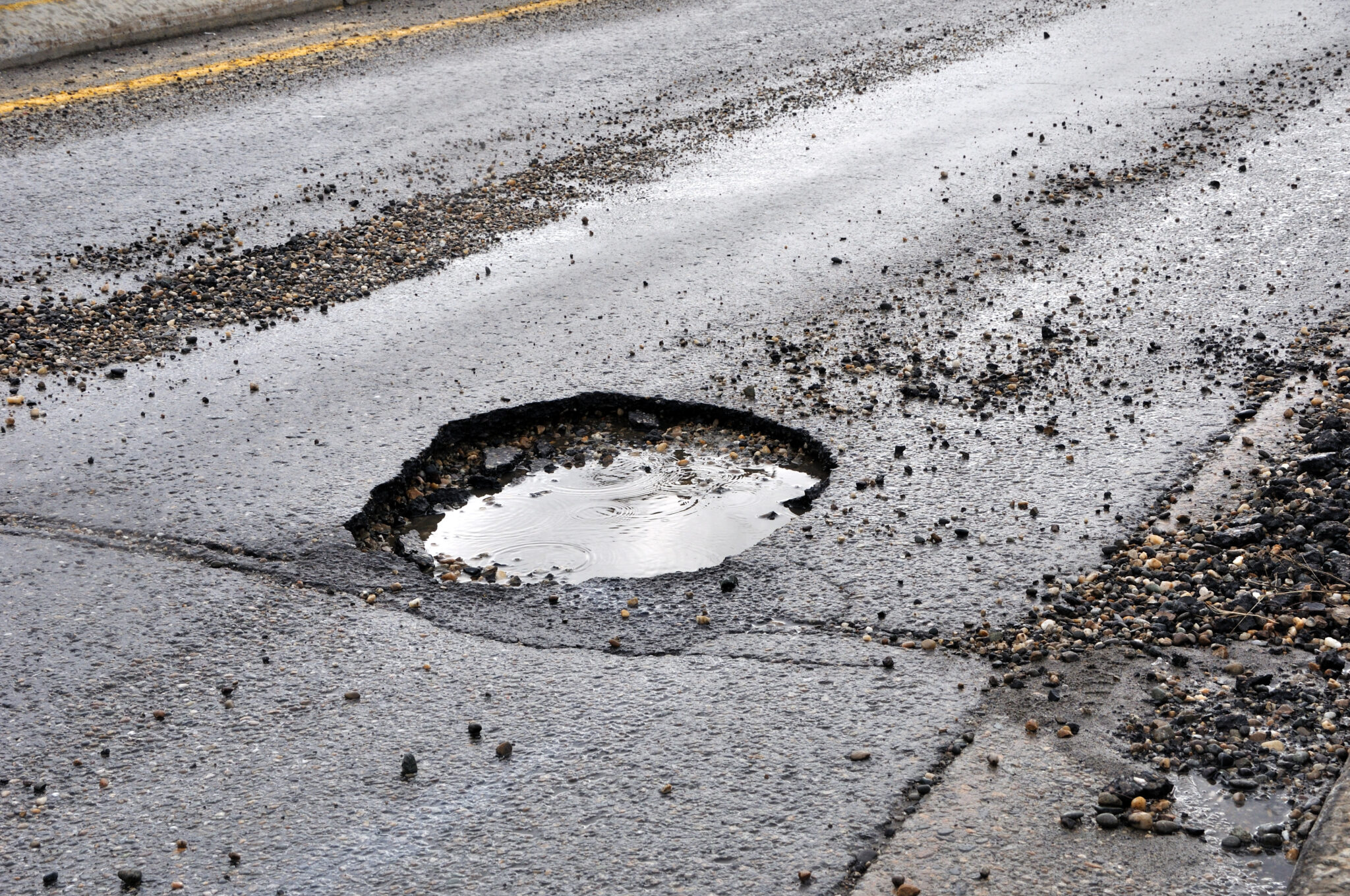
A pothole is a visible cavity or depression in an asphalt pavement caused by the weakening and eventual collapse of its structure. Unlike surface-level defects like raveling or minor cracking, a pothole forms when the layers beneath the asphalt lose stability. These layers are known as the base and subbase.
Visually, potholes appear as round or irregular holes with jagged edges. Their diameter can range from a few inches to several feet, and their depth can vary depending on the severity of underlying damage. While they may start small, they tend to expand rapidly once the pavement is compromised. Vehicle traffic and moisture hasten this process.
How Potholes Differ from Other Distresses
- Raveling: Occurs when the top layer of aggregate begins to loosen, creating a rough, sandpaper-like surface. This is a sign of aging asphalt or binder loss, but doesn’t involve deep structural damage.
- Alligator Cracking: A network of interconnected cracks that resembles reptile skin. It signals fatigue failure in the pavement’s base layers but hasn’t yet formed a pothole.
- Utility Patches: These are deliberate cuts made during underground work. If poorly compacted, they can settle unevenly and exhibit pothole-like behavior; however, the cause is usually an installation error, rather than weather or traffic.
A pothole is the final stage of pavement distress; the result of serious moisture, temperature, and traffic damage.
How a Microcrack Becomes a Pothole
Every pothole starts with a microscopic crack that is often invisible at first glance. These hairline fractures are caused by normal wear, such as UV radiation drying out the binder, repeated load stress, and even small temperature shifts. Here’s the usual timeline:
- Crack Initiation: Over time, the asphalt binder becomes brittle. As vehicles pass, small fissures appear on the surface. On their own, these cracks may seem harmless, but they create a pathway for water infiltration.
- Water Infiltration: Once water seeps through the surface, it collects between the asphalt and the base course. Because the base layer is granular and porous, it absorbs this moisture. This softens the structure and weakens its ability to support heavy loads.
- Freeze–Thaw Expansion: In cold climates like Utah’s, temperatures fluctuate dramatically between day and night. Water expands by about 9% when it freezes, pushing the asphalt upward and widening existing cracks. When it thaws, it contracts again, leaving behind tiny gaps and a weakened base. This process is called a freeze-thaw cycle.
- Traffic Load & Pumping: As vehicles pass over these weakened areas, especially heavy trucks, the pressure “pumps” water and fine material out of the base. The paved surface above eventually loses support and caves in, forming a pothole.
This chain reaction explains why potholes often “appear overnight.” The groundwork for failure happens quietly over weeks or months, but once the surface loses its foundational strength, collapse is sudden and dramatic.
Early Warning Signs Before a Pothole Opens Up
Catching a pothole early saves time, money, and surface life. Property owners should watch out for these red flags:
- Small Surface Cracks: Especially transverse cracks. Even ⅛-inch openings allow enough water to infiltrate and start deterioration.
- Pooling Water: Standing water after rain indicates poor drainage or low spots. Water sitting on the surface always finds a way in.
- Soft Spots Underfoot: If asphalt feels spongy when walked on, the base beneath may already be compromised.
- Rough Texture or Raveling: Aggregate loosening is often a sign of binder breakdown and upcoming cracking.
- Discoloration: Light gray or dull surfaces suggest oxidation, which makes asphalt brittle and more likely to crack.
The earlier these symptoms are addressed, the less time–consuming and expensive repairs will be.
How to Repair a Pothole on Your Property
Pothole repair isn’t just about filling the hole; it’s about restoring the structure beneath the surface. Depending on the severity, you can choose between temporary cold patching or a permanent hot mix repair.
Step 1: Clean the Cavity
Remove loose debris, standing water, and damaged asphalt using a broom, shovel, or air compressor. A clean surface helps the patch adhere properly.
Step 2: Square the Edges
Professionals often saw-cut the edges around a pothole to create clean, vertical walls. This step prevents weak joints between old and new material.
Step 3: Rebuild the Base
If the underlying base material has been washed out or softened, it must be replaced and compacted. Skipping this step is the fastest way to see the same pothole reappear next season.
Step 4: Apply the Patch
Use cold patch asphalt for small or emergency repairs, especially during winter. It’s easy to use but is considered temporary. Hot mix asphalt, on the other hand, is the gold standard for long-term repairs. Applied at 275–300°F, it bonds tightly and restores full pavement strength.
Step 5: Compact the Patch
Use a plate compactor or roller to compact the material. Proper compaction ensures that no air pockets are formed that could trap moisture.
Once the area cools and hardens, restripe if needed and monitor it frequently. Take action if you notice any settlement or cracks formed around the edges.
Prevention Tips for Potholes
Repair is reactive, while prevention is proactive. Consistent maintenance can extend your pavement’s life by years.
- Seal Cracks Annually: Crack sealing keeps water out of the asphalt matrix, halting the first step of pothole formation. It’s especially important before winter freeze–thaw cycles.
- Sealcoat Every 2–3 Years: A quality sealcoat protects the surface from UV oxidation and moisture penetration, reducing the chance of crack development.
- Fix Drainage Issues: Make sure that water flows away from the lot, not toward it. Regrade low areas and clear debris from catch basins regularly.
- Inspect After Each Winter: Spring inspections reveal new cracks and soft spots early. This way, you can patch before problems grow.
- Use High-Quality Materials: Subpar asphalt mixtures deteriorate faster under load and temperature swings. Always use reputable contractors who follow local Utah specifications for base and binder composition.
- Implement Routine Maintenance Plans: Commercial and municipal lots benefit from scheduled surface evaluations. These allow you to track wear patterns and plan resurfacing before structural damage occurs.
Once moisture and pressure combine, damage accelerates exponentially. Preventing that first crack from spreading is far cheaper than repairing a structural collapse later.
Let Superior Asphalt Prevent and Fix Potholes For You
The playbook to beat potholes is straightforward: seal cracks before water gets in, correct low spots and drainage paths, choose repairs based on the true cause (not just the symptom), and keep a steady maintenance rhythm. If you act on those steps, you’ll extend pavement life and save on long-term costs. And you don’t have to tackle it alone. Superior Asphalt offers repair and maintenance services for Utah property owners, from pothole fixes to comprehensive pavement management plans. Contact us for a property-specific quote!