When you pave with asphalt, you’re making an investment in your property. Whether it’s a smooth new driveway, a busy parking lot, or a stretch of roadway, the big question on most people’s minds is simple: how long will it last? The truth is, asphalt isn’t a one-size-fits-all surface; it can serve you well for decades or start showing signs of wear in just a few years. What makes the difference? Things like climate, traffic, installation quality, and how well you maintain it all play a major role. In this guide, we’ll walk you through everything you need to know about asphalt’s lifespan. From the average years you can expect your pavement to hold up, to the maintenance practices that can dramatically extend its durability, you’ll find clear answers to the questions every property owner should be asking.
How Long Does Asphalt Last on Average?
Let’s set expectations first, then we’ll refine them with the factors that push your timeline up or down.
On average, properly installed and maintained asphalt will last 15–30 years in residential settings and 12–25 years in commercial lots with heavier use. Newly constructed streets and well-engineered parking facilities can last over 30 years with a disciplined maintenance program. Those ranges are broad by design, because what “average” means on a shaded cul-de-sac in a dry climate is very different from a sun-blasted, freeze-thaw-hammered lot at a busy shopping center.
To make this more concrete, here are typical lifespan bands by property type under good installation and routine maintenance:
- Single-family driveways: 18–25 years
- Townhome/HOA private lanes: 15–22 years
- Retail/medical office parking lots: 12–20 years (traffic loads + turning stress)
- Industrial facilities with frequent heavy trucks: 10–18 years (unless designed with thicker sections)
- Local/collector roads: 20–30 years (pavement management is stricter)
Short sentence, big takeaway: “Average” is a starting point, not a promise.
Just as important as lifespan is serviceability: how long the surface remains smooth, safe, and quiet. Many pavements are still structurally sound past 20 years but feel “old” because of raveling, oxidation, and patchwork repairs. Planning preservation treatments keeps the surface performing like new, even as it ages underneath.
What Factors Affect Asphalt Longevity?
Now that you’ve got an average in mind, let’s talk about what widens or narrows your window. Think of longevity as the sum of design choices you control and environmental forces you don’t.
Climate & Environment: The freeze–thaw cycle drives water into microcracks; when that water freezes, it expands and pries the surface apart. Regions with 30+ freeze–thaw days per year see accelerated cracking unless the mix design and drainage are tuned for it. At the other extreme, UV exposure and high temperatures oxidize the binder, causing raveling and a gray, chalky look.
Traffic Loads & Patterns: Heavy vehicles, such as trucks and buses, exert higher loads on the surface, leading to stress and deformation over time. Repeated loading in the same areas, particularly on roads with concentrated wheel paths, accelerates rutting and surface wear. Irregular traffic patterns, such as sudden braking or sharp turns, can also introduce localized stress points.
Subgrade and Base Quality: Pavement lives or dies by what’s underneath. A well-compacted granular base (often 6–12 inches for lots, more for roads) with proven bearing capacity and proper moisture content is non-negotiable. Soft or expansive clays, organic soils, and poor compaction lead to differential settlement, those dips and ripples you notice after the first winter.
Drainage: Water is the silent killer. Surface drainage (2% cross slope where possible, clear gutters, functional catch basins) and subsurface drainage (choking fines out of base layers, edge drains where necessary) reduce trapped moisture and pumping. Standing water shortens life and voids warranties.
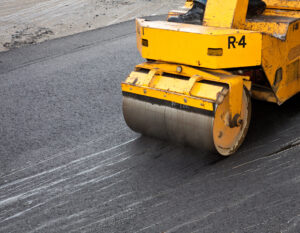
Installation Practices: Even perfect designs fail if placed poorly. Key checks: asphalt temperature at laydown, uniform mat thickness, joint density, and final compaction. Cold joints and under-compaction invite early raveling and moisture intrusion.
Routine Maintenance: Finally, the lever you control year after year. Timely crack sealing, sealcoating, and localized patching can add 5–10+ years, often at a fraction of future reconstruction costs. The rest of this guide unpacks the “how.”
What Maintenance Practices Extend Asphalt Life?
If you follow an asphalt preservation plan, you can double the useful life and keep your surfaces looking sharp.
Crack Sealing (annually or biannually)
Cracks are inevitable; water infiltration is not. Routing and sealing active cracks with a hot-pour rubberized sealant prevents water from reaching your base.
Seal the working cracks first; secondary ones can be addressed during sealcoat cycles.
Sealcoating (every 2–4 years, site-dependent)
A quality coal tar or asphalt-emulsion sealer replenishes surface flexibility and restores color while shielding against UV and light chemical exposure. It won’t fix structural issues, but it slows oxidation and raveling.
Patching (as needed)
For localized failures like potholes, utility infrared patching, or full-depth remove-and-replace prevents small defects from turning into large problems. Infrared is great for seamless joints on small areas; for structural failures, cut square, rebuild the base, and compact in lifts.
Overlay/Resurfacing (mill & fill at years 10–18, typical)
When the surface network has widespread cracking but the base is sound, a 1.5–2 inch overlay or resurfacing resets the clock. Consider geosynthetic interlayers over fatigue-prone areas to prevent reflective cracking.
Drainage Maintenance (quarterly walk-throughs)
Keep inlets clear, shoulders intact, and edges supported. Edges are a weak link, edge raveling often starts where tires drop off the mat. A little shoulder gravel can save thousands in patching.
Delays in addressing minor issues, such as small cracks or drainage problems, can lead to worse damage and higher repair costs. Implementing a proactive maintenance schedule, rather than a reactive one, helps extend pavement life and reduce overall spend.
What Are the Warning Signs That Asphalt Needs Replacement?
How do you know if your asphalt pavement is beyond repair and needs replacement? Here are some of the warning signs:
Widespread Alligator Cracking (fatigue cracking)
These interlaced cracks signal a structural problem. Sealcoating won’t help; you’ll need partial- or full-depth reconstruction in affected zones.
Heaving and settlement
Lifted sections near tree roots, dips at trenches, and rolling waves hint at subgrade movement or compaction issues. The fix is often below the surface; investigate before resurfacing, or you’ll have the same problem in a year.
Chronic potholes
One pothole is a patch. A pattern of potholes is a system telling you that water and load are the issues. At that stage, overlays without base remediation are short-lived.
Severe raveling and aggregate loss
When the surface looks like loose granola and fine aggregates are gone, the binder has oxidized, or compaction was low at install.
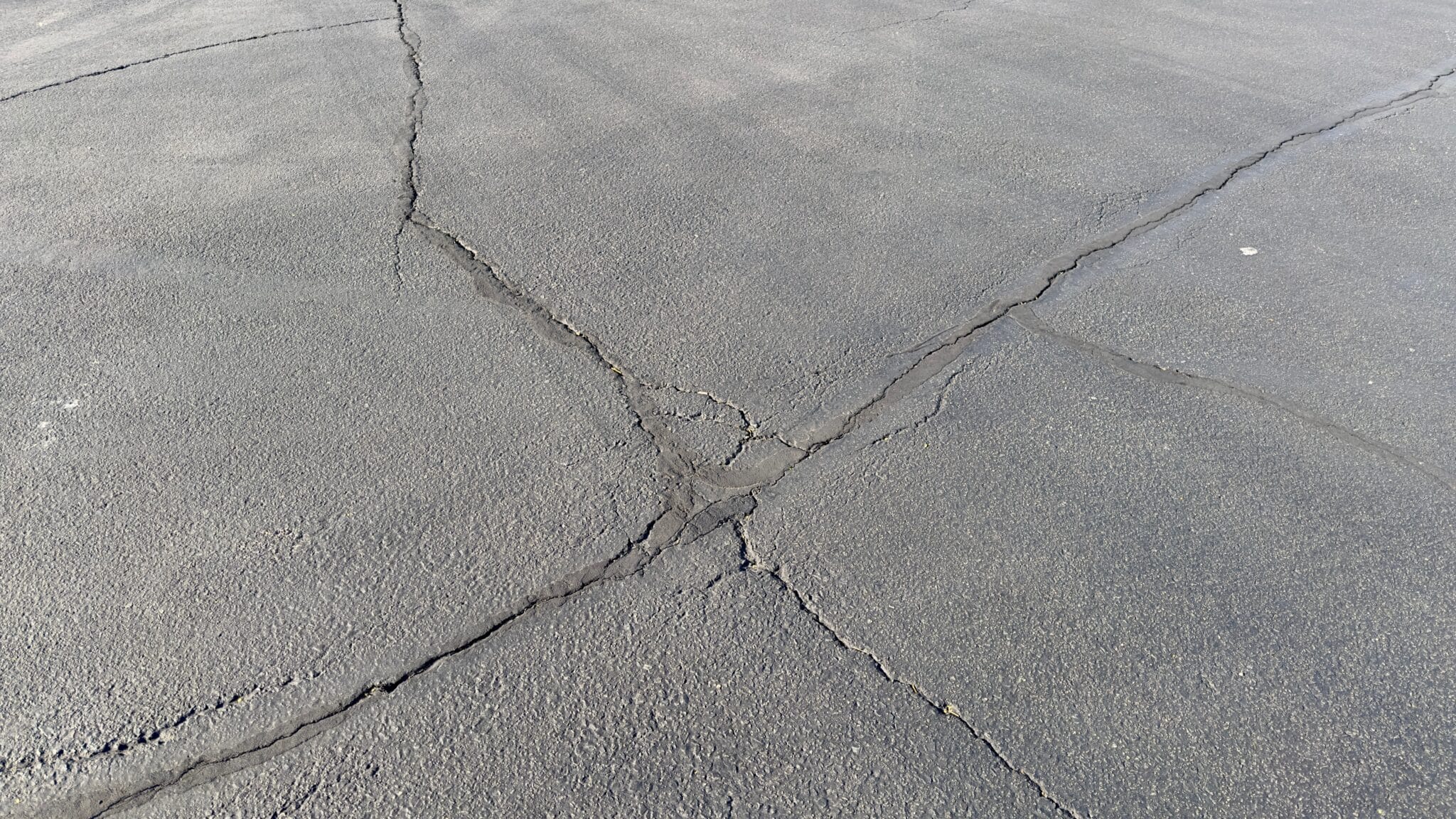
Widespread longitudinal and transverse cracking
Single, stable cracks can be sealed. But networks of cracks, especially when they connect, indicate the surface has aged out.
Perpetual standing water
If you see puddles after modest storms, think about profile milling and corrective overlay, not just sealcoat.
One more practical signal: spiraling maintenance costs. When your annual spend on patches and reactive fixes starts approaching 30–40% of an overlay, it is most likely time to look at a replacement.
Extend your Asphalt’s Lifespan with Superior Asphalt
Proactive asphalt maintenance, such as sealcoating, crack sealing, and resurfacing, can double its life span and save you thousands of dollars in replacement costs. Asphalt doesn’t just age; it responds to the way you treat it. With regular upkeep and timely repairs, you can keep your pavement looking great and performing well for decades. At Superior Asphalt, we know the ins and outs of asphalt maintenance. With years of experience and a commitment to quality, we’ve seen how the right approach can make a lasting difference. Contact us today for a property-specific quote!