If you’ve ever wondered why some asphalt surfaces look fresh and deep black for years, while others fade and crack almost overnight, the secret often comes down to one thing: sealcoating, and how well it’s maintained. You’re here because you want to know how long sealcoating actually lasts, and the truth is, it’s not a one-size-fits-all answer. The lifespan can range anywhere from a single year in tough, high-traffic conditions to five or more years in lighter-use environments with premium materials and careful application. In this post, we’ll break it all down for you: what sealcoating does, the factors that determine how long it lasts, what you can do to extend its life, and the signs it’s time for a fresh coat. Whether you’re protecting a residential driveway, a busy commercial parking lot, or a high-traffic industrial area, you’ll come away with the knowledge to make smart, cost-effective maintenance decisions.
How Long Does Sealcoating Last in Different Situations?
Sealcoating isn’t a one-size-fits-all service. Its lifespan depends on where it’s applied and how that surface is used. Let’s break down the general expectations:
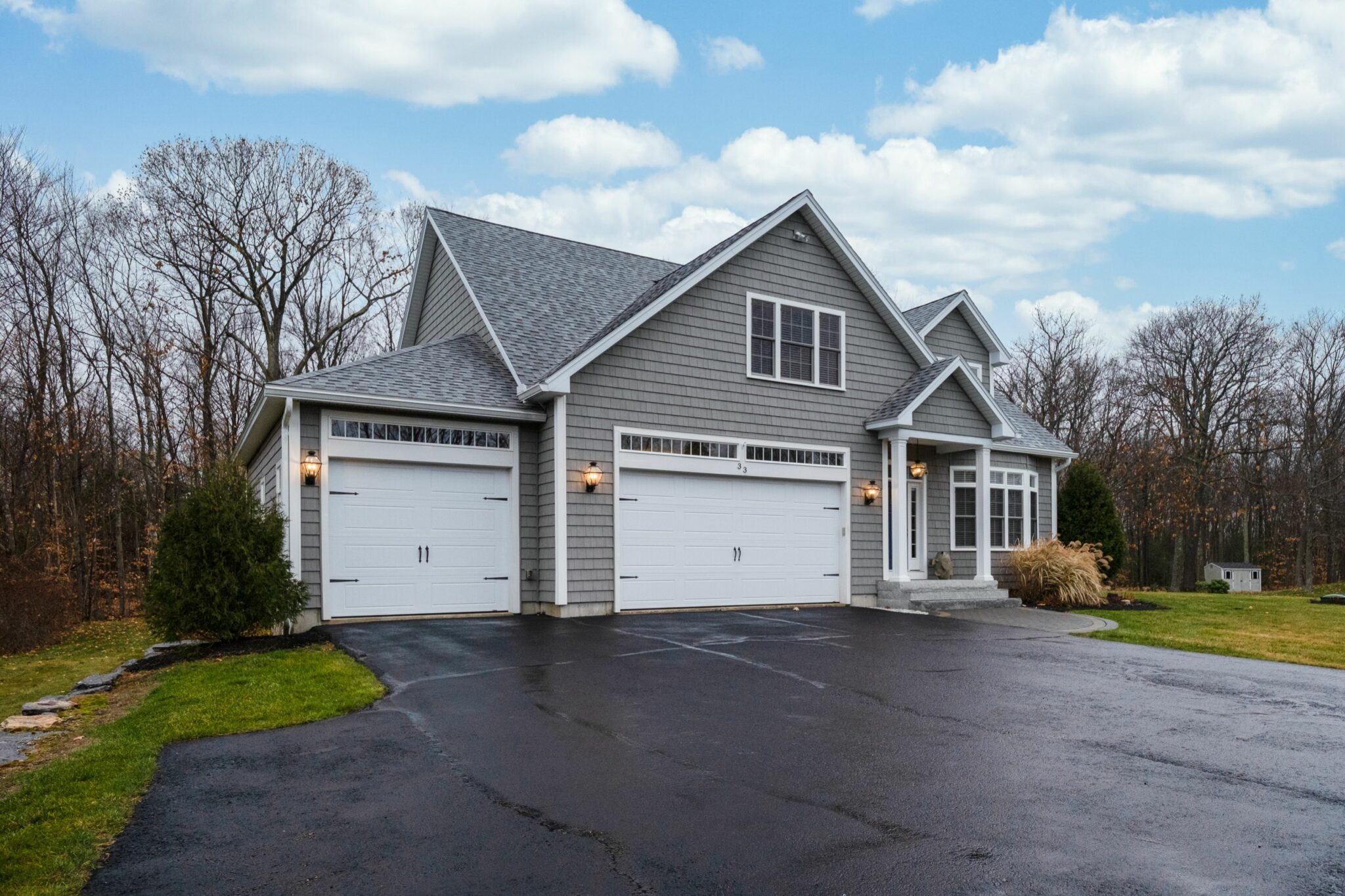
- Residential Driveways: For a standard driveway with light vehicle use, you can expect sealcoating to last 3–5 years if properly applied. Minimal exposure to heavy vehicles and careful seasonal maintenance often stretches longevity.
- Commercial Parking Lots: These surfaces endure frequent turning, braking, and higher vehicle volume. Sealcoating usually lasts 2–3 years here before it begins to show wear. Regular touch-ups and line re-striping often go hand in hand with resealing.
- High-Traffic or Industrial Areas: Delivery bays, trucking lots, or roadways experience the harshest wear. Sealcoating in these environments may last only 1–2 years. Frequent resealing is necessary to protect against oil spills, tire abrasion, and weather stress.
It’s worth noting that these numbers are averages. A well-prepared and well-maintained asphalt surface often outperforms the norm, while neglected surfaces may fail sooner.
What Factors Affect How Long Sealcoating Lasts?
As we glossed over in the last section, there are many variables at play that affect how long the sealcoat lasts before needing to be reapplied. Here’s a breakdown of the most common factors that influence sealcoat longevity:
- Traffic Load: The more vehicles using the surface, the faster the sealer wears. Heavy trucks and equipment are especially damaging because of their concentrated weight and turning radius.
- Climate: Extreme heat softens asphalt, while freeze-thaw cycles cause cracks. In northern states, road salt and snowplows shorten sealant life. In hot, sunny climates, UV rays fade and oxidize asphalt quickly, especially if no shade or shelter is present.
- Surface Preparation: Skipping cleaning or failing to repair cracks before applying sealcoat drastically reduces effectiveness. Dirt, oil, and moisture prevent the sealer from bonding properly, sometimes cutting years off its lifespan.
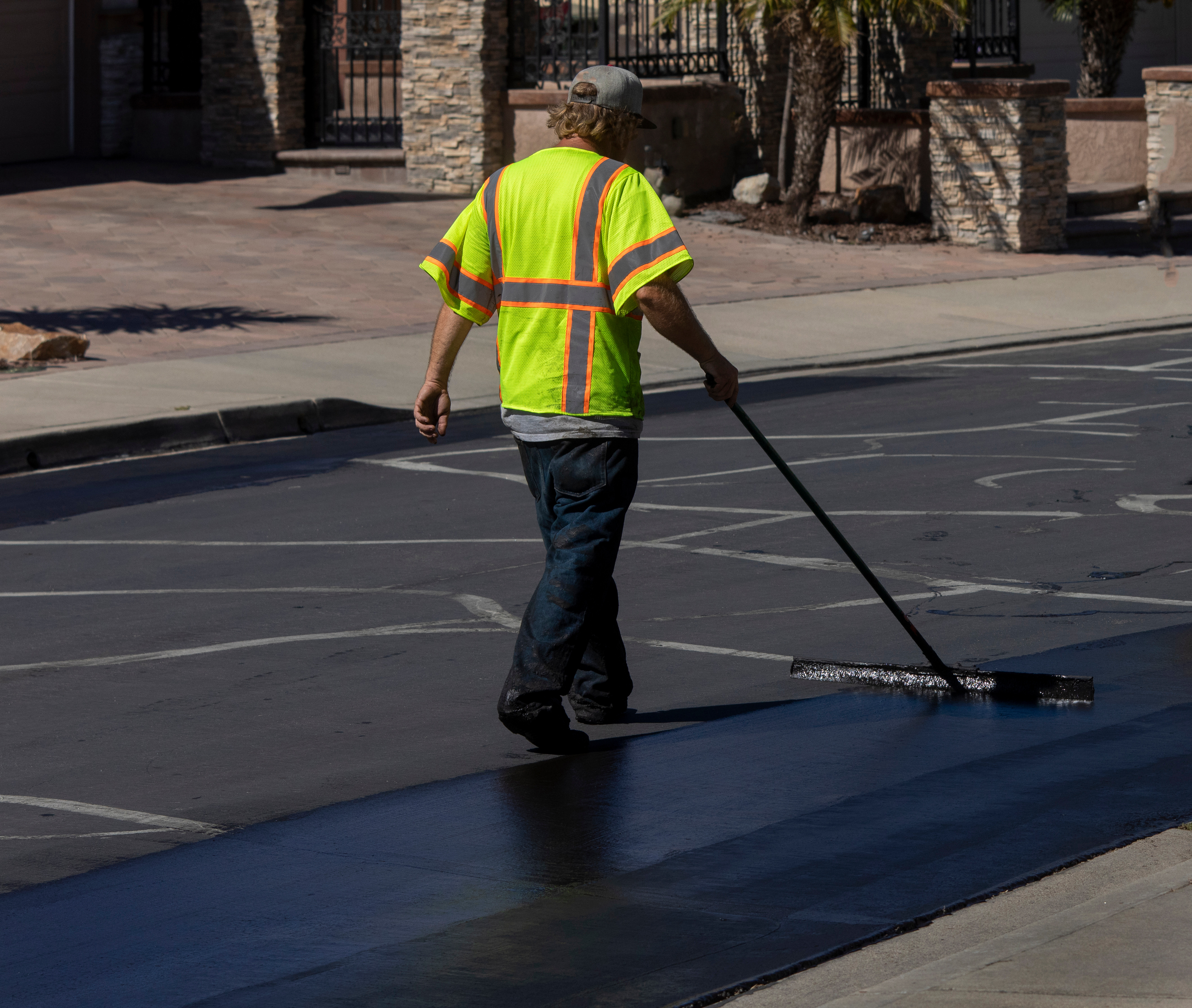
- Application Method: Professionals typically use sprayers or heavy-duty squeegees for even coverage, which lasts longer than an uneven DIY brush application. Proper edge coverage and even thickness are critical.
- Number of Coats: One coat provides coverage, but two coats can dramatically improve durability. Busy commercial parking lots almost always benefit from a second layer, while residential lots or driveways may not need it.
- Sealer Quality: Premium blends with additives for flexibility, UV resistance, and chemical protection generally outlast basic coal-tar or asphalt emulsions. Investing in better material upfront often pays for itself in fewer reseals.
Every surface is unique, but paying attention to these factors helps predict how long your sealcoat will last.
How Can You Make Sealcoating Last Longer?
Although some conditions may be out of your control, others are not. Maximizing sealcoat life is all about proactive care and smart choices:
- Schedule Regular Cleaning: Removing debris, leaves, and dirt prevents them from embedding into the surface and breaking down the sealant. A simple sweep or wash every few weeks can make a big difference.
- Repair Cracks Quickly: Even hairline cracks allow water penetration, which undermines sealcoating. Crack sealing extends overall surface life and keeps damage localized instead of spreading.
- Reapply Before Major Damage Appears: Don’t wait until the surface turns gray and brittle. Reapplying sealcoat at the first signs of fading preserves strength and keeps the asphalt flexible.
- Apply at the Right Temperature: Sealant adheres best in moderate temperatures, generally between 55°F and 90°F. Applying outside these ranges often leads to premature wear and wasted effort.
- Protect From Heavy Loads During Curing: Keep vehicles off the surface for at least 24–48 hours after application, longer if temperatures are cool or humid. Driving too soon can tear up uncured sealant.
- Consider Professional Application: Professionals not only apply more evenly but also choose the right sealer for your conditions. Their experience reduces mistakes that shorten lifespan.
- Add a Maintenance Plan: Commercial properties in particular benefit from scheduled inspections every year. A contractor can recommend touch-ups or reapplications before issues snowball into expensive repairs.
Think of sealcoating as sunscreen for your asphalt. Apply it correctly, maintain it carefully, and refresh it regularly, and it will shield your surface from damage for years longer.
Frequently Asked Questions About Sealcoat Longevity
Here are some of the most common questions asked by property owners:
How do I know when it’s time to reseal?
Look for fading color, surface dullness, and fine cracks beginning to appear. If water no longer beads up on the surface, the sealant is wearing thin and losing its protective qualities.
Can I over-seal my driveway?
Yes. Applying sealcoat too often can weaken its benefits and cause build-up that cracks or peels. Residential driveways should typically be resealed every 3 years unless unusual traffic or damage demands an earlier application.
Is two coats always better than one?
For high-traffic or commercial areas, two coats are highly recommended. For a low-use residential driveway, one good coat is recommended, especially if properly maintained with small touch-ups in between.
Does DIY sealcoating last as long as professional work?
Generally, no. DIY sealcoating tends to be thinner and less even. Professional-grade sealers, equipment, and techniques usually yield a longer-lasting performance, which often offsets the upfront cost difference.
Will sealcoating fix cracks and potholes?
Sealcoating is preventive, not corrective. It seals the surface and slows damage, but doesn’t replace structural repairs. Cracks and potholes must be repaired before sealing; otherwise, the coating will fail prematurely.
Does climate really make that big a difference?
Absolutely. In cold regions, freeze-thaw cycles can shorten sealcoat life by a year or more. In hot regions, UV exposure can oxidize asphalt faster. Tailoring sealant type to climate and applying during proper seasonal windows is key to getting the full expected lifespan.
As a general guideline, you should keep an eye on your pavement’s condition and stay on top of preventative maintenance. That way, you can make the most of your sealcoat and keep your asphalt healthy.
Keep Your Asphalt Surface in Top Shape with Superior Asphalt
Sealcoating is one of the simplest, most effective ways to protect your asphalt, but its lifespan depends on the balance of traffic, climate, surface condition, and product quality. With proper prep, quality materials, and a maintenance plan, you can stretch the time between sealcoats and save on costly repairs down the road. At Superior Asphalt, we offer expert repair, maintenance, and sealcoating services across Utah. Contact us today for a custom quote tailored to your property. We’ll help you protect your investment from the ground up so your asphalt looks great and lasts longer.