
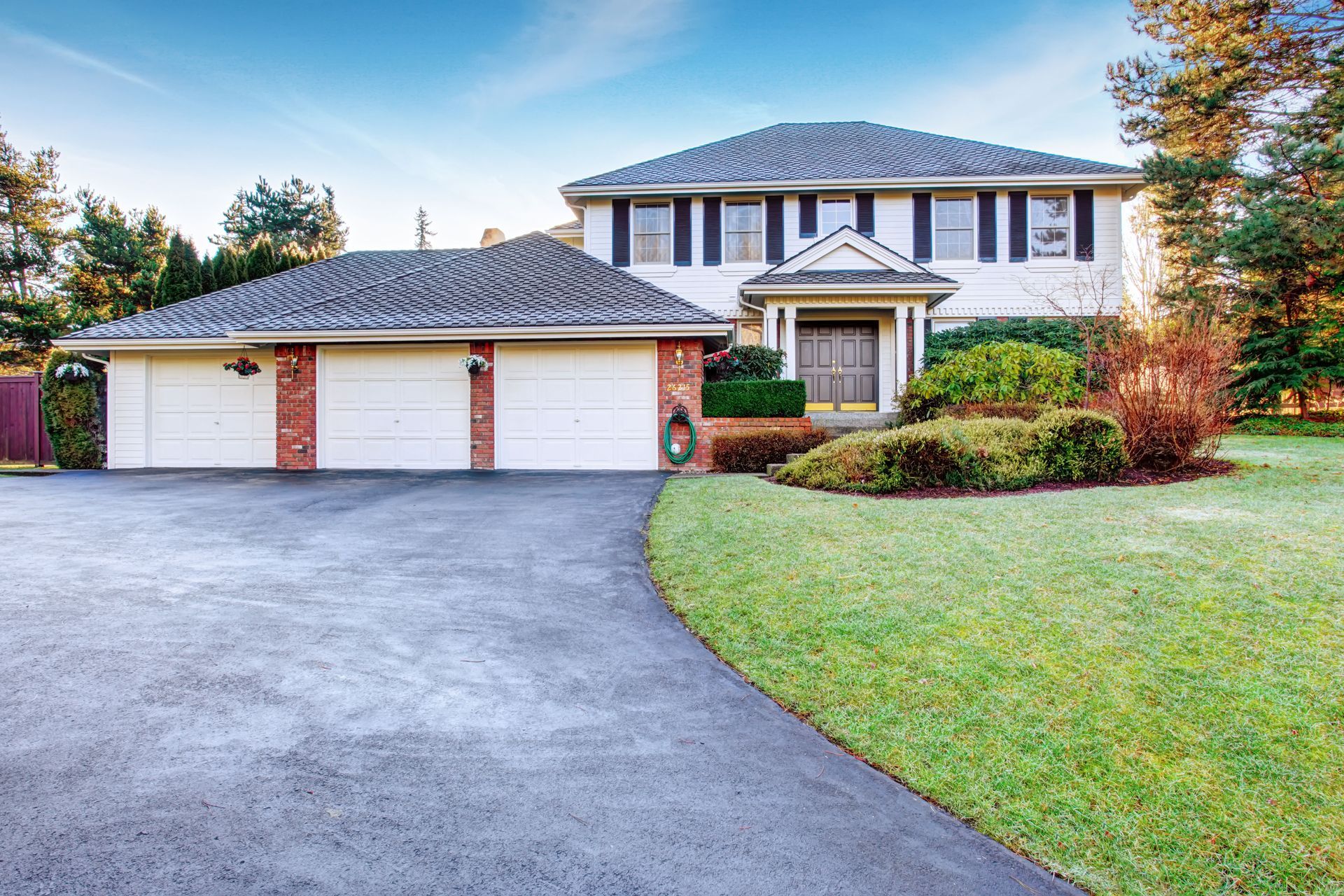
Superior Asphalt, LC is a family owned business that has served Utah communities since 1986. Call today for a superior asphalt maintenance service and more!
When asphalt starts breaking down, property owners often want a repair that does more than cover the problem for a few weeks. That is where hot patch asphalt comes in. Unlike quick temporary fixes, hot patching is commonly used for stronger, more durable repairs because the material is placed and compacted while hot, helping it […]
The post What Is Hot Patch Asphalt? And When Should it be Used? appeared first on Superior Asphalt.
A small pothole or damaged patch of asphalt can seem like a simple weekend project, especially when DIY asphalt repair products are easy to find. For some minor issues, a basic patch may help stabilize the surface temporarily and improve safety. However, not every asphalt problem is as simple as it looks from the surface. […]
The post DIY Asphalt Patch Repair vs. Professional Patching: What Property Owners Should Know appeared first on Superior Asphalt.
If you have a pothole, damaged section of pavement, or worn asphalt surface that needs attention, you may have heard the term cold patch asphalt and wondered whether it is the right solution. It is a common repair option, especially when property owners need a practical way to address pavement damage quickly. At the same […]
The post What Is Cold Patch Asphalt and Should You Use It? appeared first on Superior Asphalt.
If you have just had a driveway, parking lot, or road paved or sealed, one of the first questions you are likely to ask is how long the asphalt needs to dry before it can be used. It is an important question because using asphalt too soon can affect the surface finish, leave marks, or […]
The post How Long Does Asphalt Take to Dry? appeared first on Superior Asphalt.
If you are planning a new driveway, parking area, private road, or other paved surface, one of the first questions you will probably ask is whether asphalt is cheaper than concrete. It is an important question because paving is a major investment, and the right choice depends on more than the initial price alone. While […]
The post Is Asphalt Cheaper Than Concrete? A Cost Comparison appeared first on Superior Asphalt.
How long should asphalt actually last? It is a simple question, but the answer is not always straightforward. Whether you own a residential driveway, a private road, or a commercial parking lot, asphalt is a major investment, and most property owners want to get as many years out of it as possible. The challenge is […]
The post How Long Does Asphalt Last? A Guide for Driveways, Parking Lots, and Roads appeared first on Superior Asphalt.
If you manage or own a commercial property, noise complaints can quickly become a recurring frustration. Whether it is residents hearing traffic late at night, tenants commenting on constant tire noise, or visitors noticing how loud a parking lot feels, pavement noise is often more noticeable than property owners expect. Quiet asphalt is designed specifically […]
The post Quiet Asphalt Explained: Benefits For Commercial Properties appeared first on Superior Asphalt.
If you own or manage a commercial property, you already know your asphalt pavement is one of your most expensive and most visible assets. Parking lots, drive lanes, and loading areas take constant abuse from daily traffic, weather, and time. You may have heard Stone Matrix Asphalt mentioned as a premium asphalt option or something […]
The post Stone Matrix Asphalt: Performance, Design, and Application appeared first on Superior Asphalt.
If you are responsible for an asphalt surface, you have likely dealt with the cycle of repairs, overlays, and full replacements that seem to come around faster than expected. These repeated projects can disrupt operations, increase costs, and make long-term planning difficult. This is where perpetual pavement enters the conversation. Often described as a long-lasting […]
The post What Is Perpetual Pavement? A Long-Term Asphalt Solution Explained appeared first on Superior Asphalt.

