If you are planning an asphalt project or speaking with a contractor, you may have heard the term dense grade asphalt and wondered what it really means for your property. It sounds technical, but understanding this material can make a big difference in how your pavement performs over time. The type of asphalt used impacts durability, appearance, drainage, and long-term maintenance costs, so it is not a detail you want to overlook. In this guide, we will walk you through what dense grade asphalt is, how it is made, where it is typically used, and what makes it a reliable choice for many paving applications. Whether you are planning a new installation or maintaining existing pavement, this overview will give you the clarity you need.
What Is Dense Grade Asphalt?
Dense grade asphalt is the most commonly used asphalt pavement mix in North America and serves as the standard material for a wide range of paving projects. The term “dense grade” refers to the way aggregate particles within the asphalt are proportioned and compacted. Instead of leaving large air voids or open channels, the aggregate sizes are carefully blended so that smaller particles fill the gaps between larger ones, resulting in a tightly packed, durable surface.
This dense internal structure gives the pavement its defining characteristics: strength, stability, and resistance to deformation under traffic loads. Because of dense grade asphalt’s relatively impermeable surface, drainage is handled through surface grading, curbing, and stormwater systems rather than through the pavement itself.
Its purpose is to perform consistently across a broad range of conditions, which is why it has become the default choice for everything from residential driveways to major roadways. Dense grade asphalt balances durability, appearance, and cost in a way that makes it suitable for most properties without requiring complex engineering solutions.
How Dense Grade Asphalt Is Made
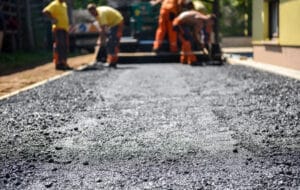
The performance of dense grade asphalt begins long before it reaches a job site. Production starts at an asphalt plant, where aggregates and binder are combined under strict quality controls to ensure consistency and performance. This process is as follows:
- Selection: Aggregates are first selected and tested to meet strength, durability, and cleanliness requirements.
- Blending: They are then separated into different size fractions and blended according to a specific mix design. The goal of this design is to create a continuous gradation, meaning there are no gaps in aggregate sizes that would weaken the structure once compacted.
- Drying: Once blended, the aggregates are heated and dried to remove moisture.
- Binder Mix: Asphalt binder is then introduced and thoroughly mixed so that each particle is evenly coated. The binder content is carefully controlled. Too little binder can lead to raveling and premature wear, while too much can cause rutting or bleeding under heat and traffic.
- Testing: Modern asphalt plants rely on automated systems and frequent testing to verify that each batch meets specifications. Temperature control, material weights, and mix uniformity are continuously monitored. This attention to detail ensures that dense grade asphalt performs predictably once placed and compacted.
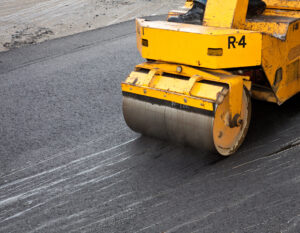
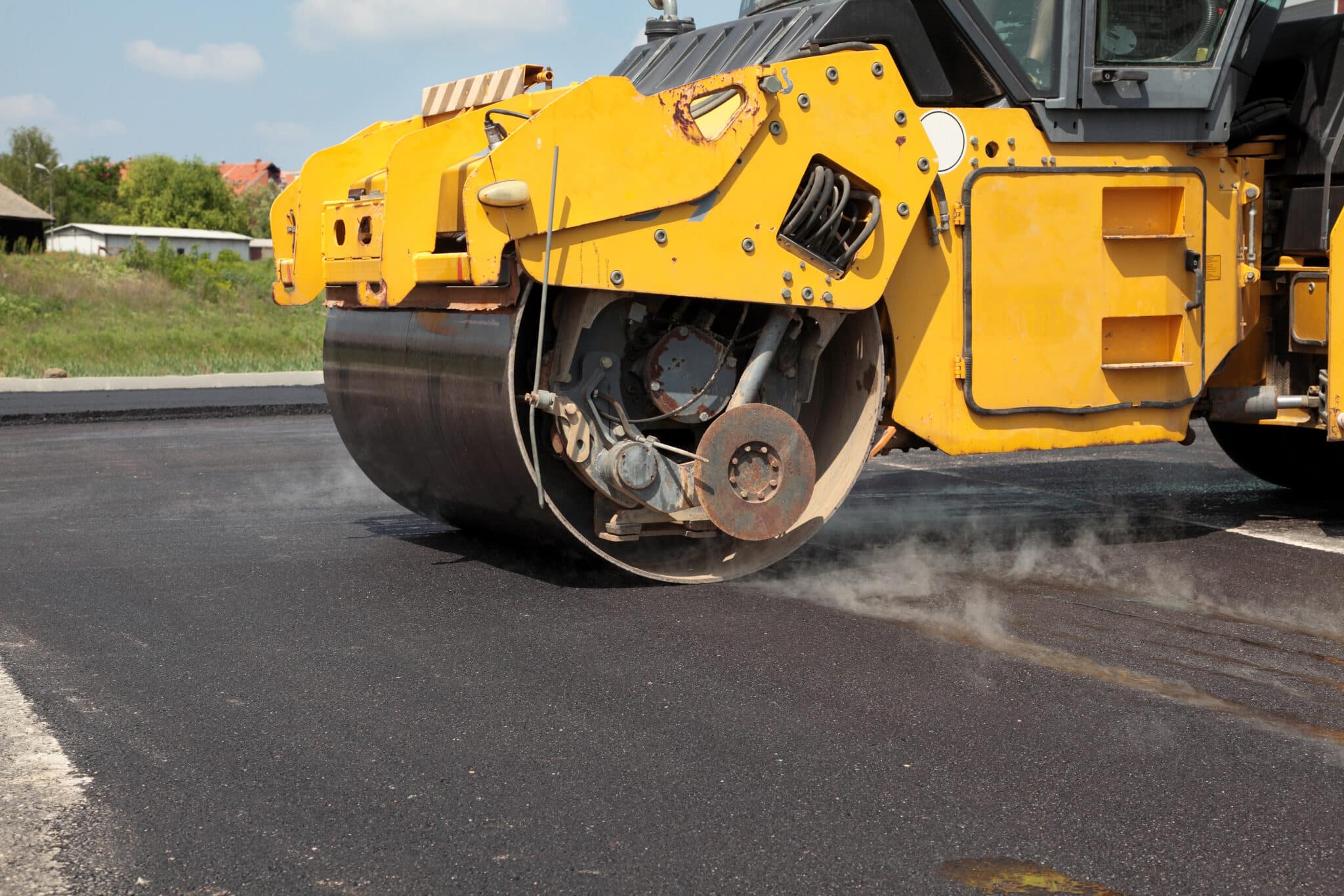
- Compaction: Proper rolling removes excess air voids, locks aggregates together, and activates the binder. Without adequate compaction, even a well-designed mix can fail early. This is why experienced installation crews are just as important as quality materials.
Through this procedure, dense grade asphalt is ready to be used as a surface layer, an intermediate structural layer, or even a base layer, depending on design requirements.
Why Dense Grade Asphalt Is Commonly Used
Dense grade asphalt is widely used because it delivers dependable performance without unnecessary complexity. Its tightly packed structure allows it to handle daily traffic loads while maintaining a smooth, uniform surface that is visually appealing and comfortable to drive on.
Structural Reliability
The dense aggregate arrangement distributes loads efficiently, reducing stress concentrations that lead to cracking or deformation. When installed over a properly prepared base, dense grade asphalt can support passenger vehicles, delivery trucks, and service traffic with minimal distress.
Cost Efficiency
Dense grade asphalt does not require specialized additives, fibers, or drainage layers. This keeps material and installation costs lower than many alternative mixes, making it accessible for residential, commercial, and municipal projects alike.
Contractor-friendly
Dense grade asphalt is also familiar to contractors and inspectors. Proven installation methods, standardized specifications, and well-understood maintenance practices reduce uncertainty during construction and throughout the pavement’s life. For property owners, this translates into predictable performance and easier long-term planning.
Versatility
Because it performs well in most environments and climates, dense grade asphalt remains the go-to solution for projects where reliability and value matter more than niche performance features.
Because it balances strength, affordability, and proven performance, dense grade asphalt remains the practical choice for most paving projects.
Dense Grade Asphalt vs Other Asphalt Mixes
While dense grade asphalt is versatile, it is not the only asphalt option available. Other mixes are designed to address specific performance needs, and understanding these differences helps property owners choose the right material. Below are detailed overviews of other asphalt mixes and how they compare to dense grade asphalt:
- Porous asphalt: Engineered to allow water to drain through the pavement and into the ground below. This makes it effective for stormwater management but also limits its use to sites with suitable soil conditions and maintenance programs. Dense grade asphalt, by contrast, manages water through surface drainage and is easier to maintain in most settings.
- Stone Mastic Asphalt (SMA): Another alternative designed for high-traffic environments. It uses a higher proportion of coarse aggregate and asphalt binder to resist rutting. While highly durable, SMA typically costs more and is often unnecessary for properties without heavy or continuous traffic loads.
- Open-graded asphalt mixes: Commonly used as friction courses or drainage layers rather than structural surfaces. They provide excellent skid resistance but lack the strength required for standalone pavements.
In most everyday applications, dense grade asphalt offers the best balance of durability, cost, and simplicity. Specialty mixes are valuable tools, but dense grade asphalt remains the foundation of most paving projects for good reason.
Maintenance and Longevity of Dense Grade Asphalt
Dense grade asphalt is durable, but it still requires routine maintenance to achieve its full service life. The goal of maintenance is to protect the pavement from moisture, oxidation, and progressive wear.
Crack sealing: Sealing cracks prevents water from entering the pavement and weakening the base or subgrade. Left untreated, small cracks can expand and lead to more extensive damage.
Sealcoating: Often used to protect the surface from ultraviolet exposure, oxidation, and minor abrasion. While sealcoating does not add structural strength, it slows surface aging and helps maintain appearance.
Regular inspections: Allow property owners to address localized issues early. Potholes, drainage problems, and surface depressions can often be repaired without major disruption if caught in time.
With proper installation and consistent maintenance, dense grade asphalt can last 20-30 years or longer. Surface overlays can further extend their life without requiring full reconstruction, making it a cost-effective long-term investment for many properties.
Contact Superior Asphalt to Maintain Your Dense Grade Asphalt System
Dense grade asphalt continues to be a trusted paving material because of its durability, smooth finish, and ability to perform well under daily traffic and changing weather conditions. From understanding how the mix is designed to knowing where it is best used, having this knowledge allows you to make informed decisions that protect your pavement and your budget. At Superior Asphalt, we provide professional asphalt repair and maintenance services designed to extend the life of your pavement and prevent costly issues down the road. With the right materials, proven expertise, and a proactive approach to care, we help property owners protect their investment and maintain safe, attractive surfaces. Contact us today to learn more about our maintenance and repair solutions and receive a customized quote for your property.