You’ve spotted a crack or pothole in your asphalt and want it fixed fast. A bag of concrete from the hardware store seems like an easy solution. After all, concrete is strong and durable, right? The truth is that while it may look like a quick fix, patching asphalt with concrete can actually make your problem worse. In this post, we’ll break down why asphalt and concrete don’t mix, what happens when you try to patch one with the other, and the long-term damage it can cause to your pavement. We’ll also walk through the right repair methods, whether it’s a cold patch for a small fix, hot mix asphalt for lasting repairs, or resurfacing when your pavement needs a reset.
Can You Patch Asphalt with Concrete?
You can, physically, but you shouldn’t if you care about durability, safety, and lifecycle cost. Here is the short answer you can use to make a smart call on your property. Asphalt and concrete are engineered to behave differently under load, temperature, and moisture. When you combine them in the same patch, their mismatched movement creates a built-in failure point that shows up sooner than you expect.
Put the two shoulder to shoulder without a proper system, and they fight each other. That conflict shows up as cracks, edges that crumble, and a patch that loosens season after season.
Why do people consider concrete anyway:
- It is readily available at big box stores.
- It is perceived as stronger.
- It can look tidy right after you place it.
Those upsides are short-lived because the materials are incompatible in how they move, seal, and bond. If you are after a repair that stays intact through freeze-thaw cycles, summer heat, and turning vehicle tires, you will want an asphalt-based solution, not concrete.
What Problems Happen if You Patch Asphalt with Concrete?
As simple as a bucket mix patch might seem, the underlying physics work against you. These are the issues property owners and facilities teams most often face in the months after a concrete-on-asphalt patch.
Edge Cracking: When temperatures swing, the surrounding asphalt flexes while the concrete patch resists movement. That mismatch concentrates stress along the cold joint, the contact line where the two materials meet, which leads to edge cracking and raveling around the patch.
Moisture and Potholes: Concrete does not self-seal to asphalt. Without a true hot-bonded interface, hairline separation forms. Water gets in during rain and snowmelt. The result is the pothole you tried to fix reappears, usually larger and deeper.
Thickness and Load: Concrete patches are often placed without jointing, dowels, or a designed thickness. Even if they are thick, the surrounding asphalt and granular base were not prepared to support a rigid panel. Loads bypass the patch into the edges, which crumble first.
Maintenance Headaches: Once you have introduced concrete, future asphalt milling and resurfacing become more complicated. Milling machines treat the concrete like a foreign object. Operators slow down, bits wear faster, and you end up paying extra.
Aesthetic and Safety Concerns: Concrete and asphalt weather differently. The patch remains a bright, rigid rectangle inside a darker, flexible mat. Those edges collect water and become trip hazards at pedestrian crossings. That is not great optics for a commercial property or an HOA.
In short, the visible problems, such as cracking, rocking, and ponding, are symptoms of a deeper issue. The good news is that you have proven, asphalt-appropriate ways to repair the same damage and avoid that spiral.
What Are the Right Ways to Repair Asphalt?
The correct repair depends on the extent of damage, traffic type, base condition, and season. Think of repairs on a spectrum that runs from quick fixes to long-life structural fixes.
Crack Sealing vs. Crack Filling
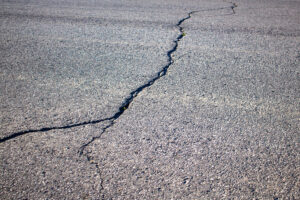
- Sealing uses a hot-applied, rubberized asphalt that bonds to crack walls and flexes with seasonal movement. It is ideal for working cracks with more than 1/8 inch movement, especially on drive lanes.
- Filling uses a cold or hot material for non-working cracks where movement is minimal. It is quicker but less elastic.
Pothole Repairs
- Cold patch, proprietary cold mix asphalt. Cold mix is useful as a short-term fix in winter or emergencies. It compacts without heat and is traffic-ready quickly. Expect to revisit it when the weather turns.
- Infrared repair. Heats and reworks existing asphalt in place, blending new mix with old to create a seamless, bonded repair. Great for localized distress like birdbaths and shallow potholes, and it minimizes saw cuts.
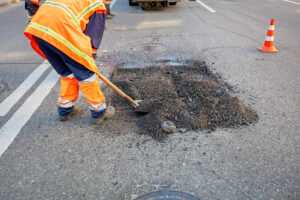
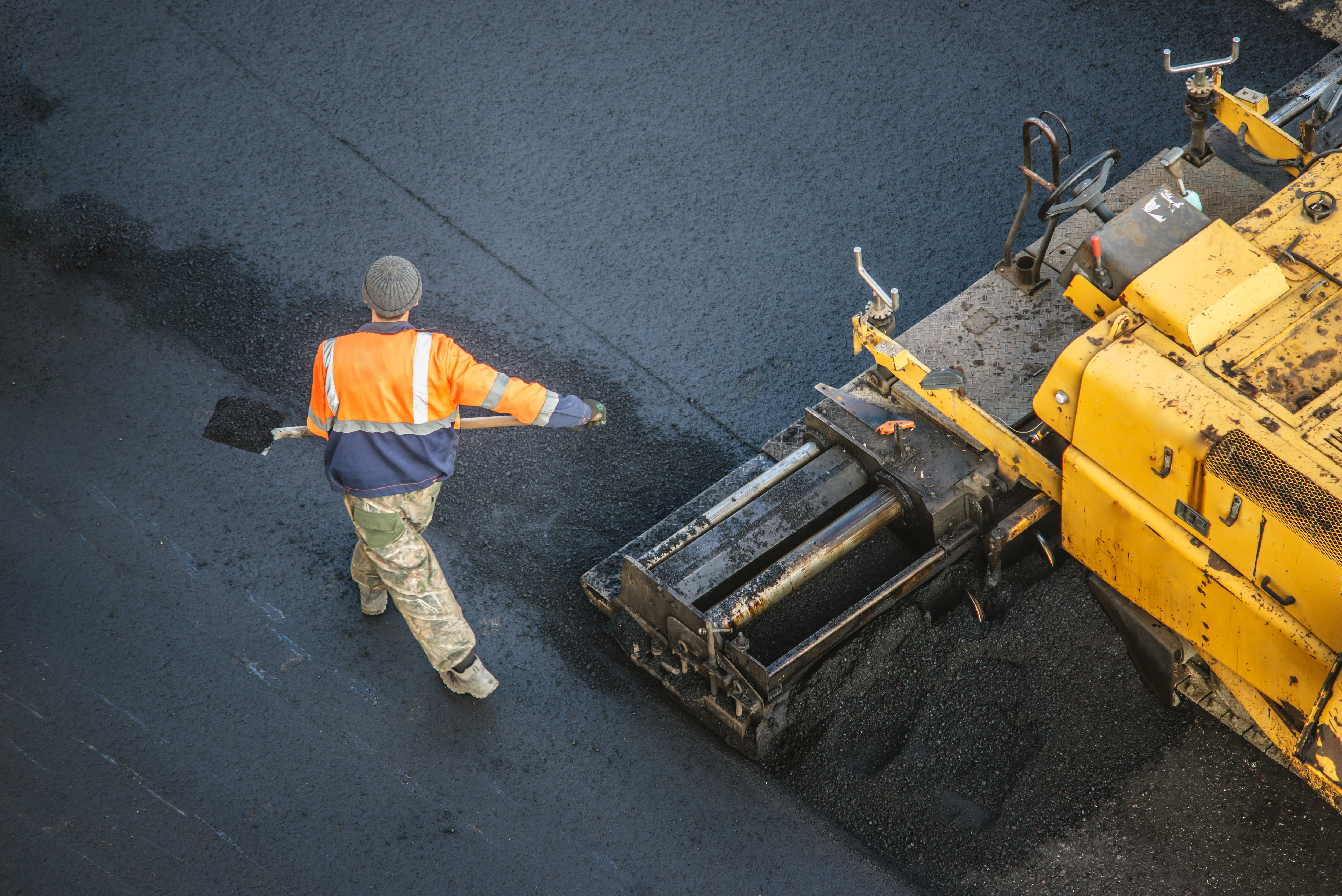
- Full-depth hot mix patch. The gold standard for structural potholes. Saw cut to sound edges. Excavate to a firm base. Repair base as needed. Tack coat the vertical faces. Place hot mix asphalt in lifts and compact to match grade.
Surface Distress
- Sealcoating. Restores flexibility and protects against UV and water, but it is not a structural fix. Always pair with targeted crack sealing first.
- Thin overlays, 1 to 1.5 inches. After prep and leveling, a thin lift can restore ride and appearance. Always tack coat for interlayer bonding.
- Mill and overlay. For broader areas with fatigue cracking, also called alligator cracking, or profile issues, mill the surface and install a new hot mix lift.
Base and Drainage Corrections
If you see pumping fines, chronic wet spots, or quickly recurring potholes, the issue is below the mat. You fix pavement from the bottom up. Solutions include:
- Underdrain installation or regrading to remove trapped water.
- Base reconstruction with proper aggregate gradation and compaction.
- Geotextile or geogrid reinforcement is used where the subgrade is weak and plastic.
Seasonal Timing
Hot mix asphalt performs best when placed in appropriate ambient and surface temperatures with adequate compaction. In cold months, lean on cold mix, then return for a permanent repair when temperatures rise.
These approaches keep the pavement system consistent. Asphalt bonded to asphalt means everything expands, contracts, and carries load as a unit.
Why Professional Asphalt Repairs Save Money Long Term
It is tempting to focus on the sticker price of a bag of concrete versus a professional patch. Lifecycle cost tells a different story. Durable repairs reduce repeat fixes, liability, and collateral damage to your base and pavement. That is money back in your maintenance budget and fewer headaches.
Cost factors owners often overlook:
- Repeat repairs. A concrete patch that fails in six months triggers another repair, more downtime, and a larger excavation.
- Base damage escalation. Water intrusion from mismatched materials undermines the base, turning a smaller repair into a cut-out that requires more labor and higher costs.
- Safety and liability. Patches and edge heave create trip hazards and vehicle damage claims. Those costs are not worth the price of proper hot mix work.
- Resurfacing conflicts. Concrete islands complicate milling and overlay, increasing future project costs and effort.
A properly constructed hot mix patch, saw cut, tacked, and placed in compacted lifts can outlast a series of quick fixes by years, especially when paired with routine crack sealing and sealcoat cycles. If you manage multiple properties, standardizing these details across sites simplifies budgeting as well.
Professional contractors also bring materials science and mix selection to the table. They choose the right gradation, use polymer modification when needed, and plan compaction strategies for your traffic profile. They assess subgrade and drainage, not just the hole you can see, which is where true longevity is won or lost.
Let Superior Asphalt Fix Your Asphalt the Right Way
At first glance, using concrete to patch asphalt might seem like a clever shortcut, but it is actually a recipe for bigger problems. Instead of risking repeated repairs and unnecessary costs, the better choice is to fix asphalt with the right materials designed for the job. Proper asphalt repairs, whether it’s crack sealing, pothole filling, or full resurfacing, keep your pavement strong, safe, and looking its best for years to come. At Superior Asphalt, we specialize in professional asphalt repair services that deliver lasting results. With the right expertise and materials, we’ll help you avoid costly mistakes and extend the life of your investment. Contact us today to learn more about our repair solutions and get a customized quote for your property.