If you’ve ever hit a pothole hard enough to spill your morning coffee, you’ve already experienced the kind of damage cold patch asphalt was designed to fix. Whether you manage a commercial parking lot, maintain municipal roads, or simply want to patch up your driveway, cold patch asphalt is one of the easiest, most accessible solutions out there. But what exactly is it? How does it work? And is it really as simple as pouring and tamping? In this guide, we’ll walk you through everything you need to know about cold patch asphalt, from what it’s made of to how (and when) to use it. We’ll break down its advantages, its limitations, and even show you how to apply it correctly so your repair actually lasts. If you’ve ever wondered whether cold patch is the right option for your asphalt problem, this post is for you.
What is Cold Patch Asphalt?
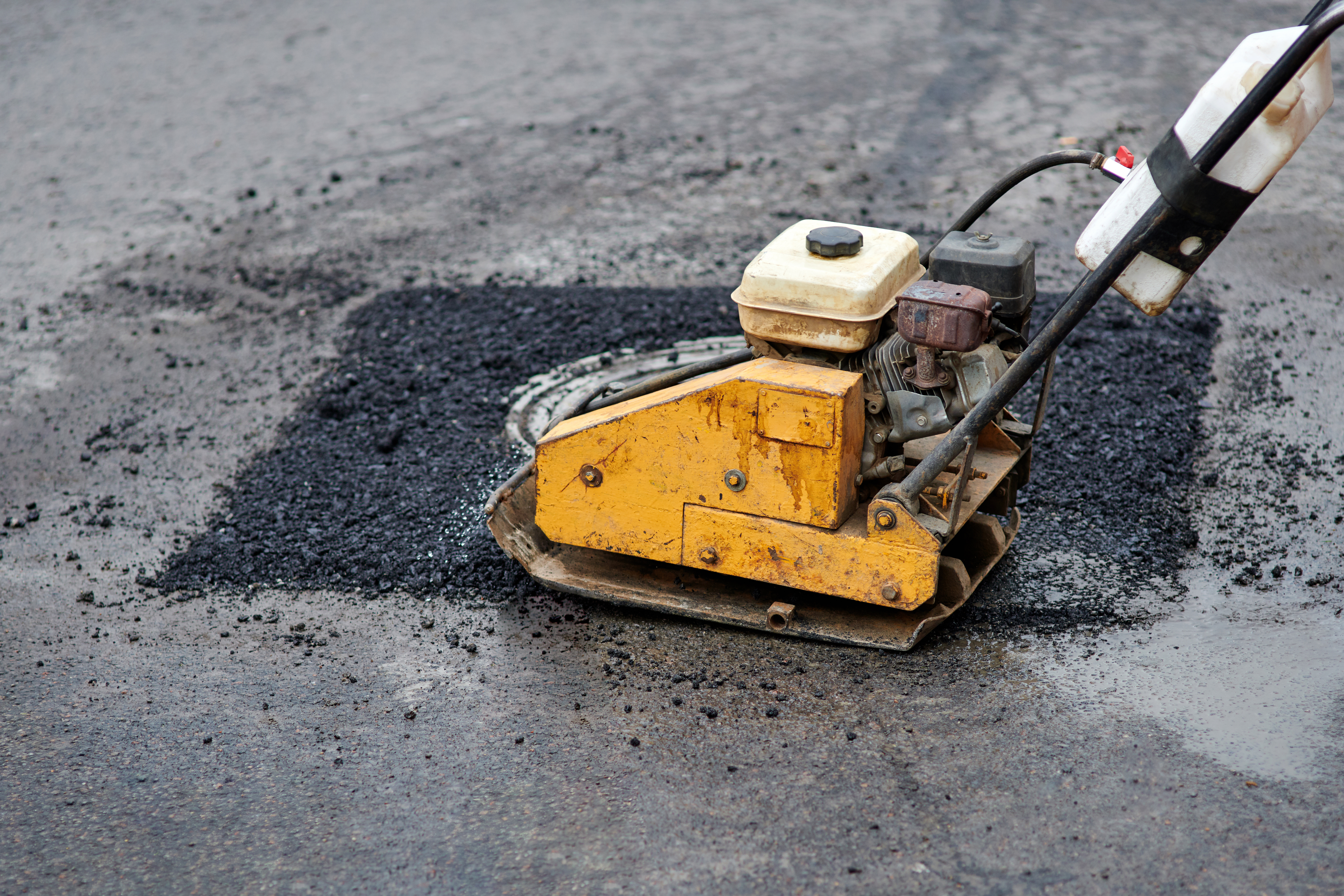
Cold patch asphalt is a ready-to-use asphalt repair material designed for simple, on-the-spot pavement fixes. It’s usually packaged in 50-pound bags or buckets and can be stored for long periods. Unlike hot mix asphalt, which is heated to high temperatures and applied quickly before it cools, cold patch is pre-mixed and stays flexible at room temperature.
The mixture is most often made up of cutback asphalt or asphalt emulsion blended with graded aggregates and additives. These materials keep the patch flexible during installation and strong once it’s in place. It’ll harden over time with vehicle traffic and exposure to air.
Both facility managers and homeowners often use cold patch because it offers a quick fix without the need for large crews or heavy machinery. It is primarily viewed as a temporary solution. Still, it can last several months under the right conditions and with proper installation. Cold patch asphalt is especially durable in low-traffic areas.
How is Cold Patch Asphalt Different from Hot Mix Asphalt?
As you could assume from its name, cold patch is very different from hot mix asphalt. To understand why and when cold patch should be used, it’s important to know how exactly it differs:
- Application Temperature: Cold patch is applied at ambient temperatures, whereas hot mix must be heated to over 275°F before application.
- Usability: Cold patch is a grab-and-go material suitable for any time of year, even winter. Hot mix, on the other hand, can’t be applied in cold or wet weather and must be used immediately after mixing.
- Durability: Hot mix asphalt is more durable and designed for long-term solutions. Cold patch, however, is less resilient. It’s considered semi-permanent, especially under high-traffic conditions.
- Cost and Equipment: Cold patch is less expensive for small jobs and doesn’t require professional equipment. Hot mix repairs, while longer-lasting, demand specialized equipment and labor, driving up the overall cost.
Ultimately, hot mix is better suited for structural or resurfacing projects, while cold patch is more effective for maintenance, temporary repairs, and spot fixes.
When Should You Use Cold Patch Asphalt?
Cold patch asphalt shines in the right situations. It’s usually sought after when speed, convenience, and weather conditions make traditional repairs impractical. Here are its most common uses:
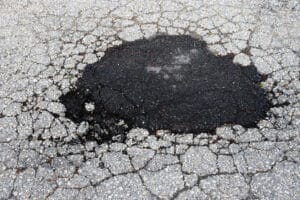
- Pothole Repair: One of the most common uses. Cold patch can quickly fill potholes to prevent further damage and eliminate trip hazards.
- Emergency Fixes: Road crews often use cold patch to address emergency surface failures. These keep the pavement functional until more comprehensive repairs can be scheduled.
- Seasonal Maintenance: In regions where winter freeze-thaw cycles worsen pavement damage, cold patch is used temporarily until warmer weather allows for hot mix application.
- Private Driveway Repairs: Homeowners can apply cold patch to address minor issues. This cuts out the need for calling in a paving contractor, which saves both time and money.
- Temporary Utility Cuts: Contractors working on underground services frequently use cold patch to close up work areas until the final pavement restoration.
If you’re looking for a quick and inexpensive fix for your asphalt pavement, cold patch is the way to go. A more permanent and secure repair might call for hot mix asphalt.
What are the Pros and Cons of Cold Patch Asphalt?
Cold patch asphalt isn’t the answer to every project. Below is a short list of its strengths and weaknesses:
Pros
- Fast and Easy Application: No heating, curing, or special equipment needed. Just clean the work area, pour the patch, and tamp it down.
- Works in All Weather: Cold patch can be applied even in freezing or rainy conditions, which makes it perfect for emergency cases.
- Available in Small Quantities: Easily found at hardware stores and suitable for small-scale jobs.
- Cost-Effective for Small Repairs: Cold patch is an inexpensive way to extend the life of your asphalt without a full resurface.
Cons
- Not a Permanent Solution for Heavily Traveled Areas: Cold patch may loosen or degrade over time, especially under high traffic or in areas with poor base support.
- Less Compaction Strength: Without proper compaction equipment or enough vehicular traffic to help the patch settle, the cold patch may not bond as well.
- Requires Monitoring: Even after installation, cold patch repairs should be looked after and replaced if needed.
If you’re still wondering if its benefits outweigh its drawbacks, we’ve provided a table that provides a direct comparison across several features:
| Feature | Benefit | Limitation |
| Ease of Use | Can be applied with minimal tools and no professional equipment | May not stick as well to wet surfaces without prep |
| Accessibility | Available in small bags or buckets at most hardware stores | Not practical for large-scale or high-traffic applications |
| Weather Flexibility | Works in cold, wet, or variable weather conditions | Cure time may increase in humid or freezing conditions |
| Speed of Application | Very fast to install | May settle into an uneven surface if not compacted properly |
| Temporary Effectiveness | Lasts long enough to bridge the gap until permanent repair is possible | Not intended as a long-term solution; may break down under heavy load |
Overall, it’s important to consider the size of the repair, how urgent it is, and whether a temporary fix is right for its specific conditions.
Should You Use Cold Patch Asphalt for DIY Repairs?
Absolutely. If your goal is to address small cracks or holes quickly and affordably, cold patch is one of the most accessible materials on the market for novice users. Here’s a brief review of why it’s great for DIY repairs:
1. Ease of Use: Even someone with no paving experience can get decent results. Just sweep out the debris, pour in the cold patch, level it off, and tamp it down.
2. No Technical Skills Required: You don’t need to worry about temperature control, mixing ratios, or equipment operation.
3. Immediate Safety Improvement: By filling potholes right away, you mitigate risks for pedestrians and vehicles alike.
Still, cold patch asphalt isn’t the right choice for every situation. You should consider hiring a professional if:
- The damaged area is deep or affects the sub-base
- You notice surface failure in multiple areas
- You want a seamless, long-lasting repair
- You’re managing a commercial or public space with liability concerns
Professional crews can diagnose underlying issues, recompact the base, and apply a more durable material with the right tools and techniques.
Contact Us for High-Quality Asphalt Maintenance & Repairs
Whether you’re a DIY-minded homeowner or a property manager tackling winter damage, cold patch asphalt is a tool worth having in your maintenance plan. That said, not all repairs are created equal, and for larger jobs, deeper damage, or long-term durability, professional help makes all the difference. Superior Asphalt offers expert asphalt repair, maintenance, and resurfacing services across Utah, tailored to your property’s unique needs. Our team uses top-tier materials and proven techniques to ensure your surfaces last longer and look better. Contact us today for a property-specific quote.