As a commercial property owner, monitoring your asphalt temperatures is vital to preventing safety issues, costly damages, and more. It’s common for property owners to be unaware of asphalt temperatures and exactly why it matters.
Here’s when asphalt temperatures should be monitored:
- When asphalt is initially paved – hot and dry asphalt will erode faster
- After asphalt is paved:
- For longevity – heat, wind, and sunlight erode asphalt
- For safety and comfort — burning animal’s and children’s feet
Below, we’ll break down three reasons you should monitor your asphalt temperature with the risks if you don’t.
3 Reasons Why Property Owners Must Monitor Asphalt Temperatures
Although there’s only so much property owners can do about temperature from environmental factors. However, there are preventative measures for best pavement maintenance practice – here are four reasons why.
1. Risks of Shortening Your New Asphalt’s Lifespan
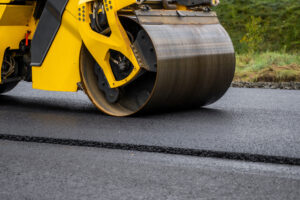
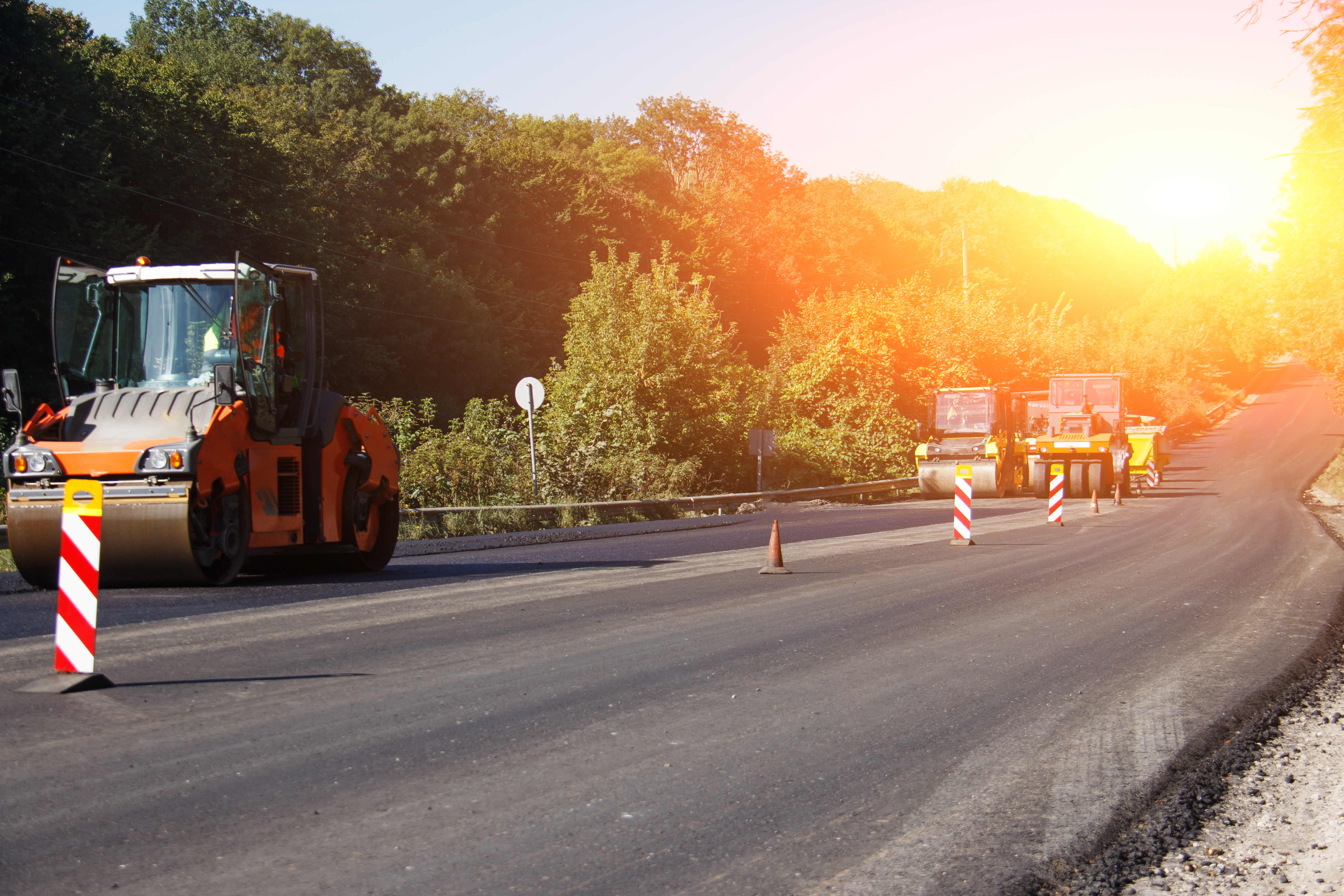
Monitoring new asphalt temperatures when initially applied is crucial to ensure it’s compacted correctly. If new asphalt isn’t compacted correctly, it can cause asphalt raveling or dry out. When hiring asphalt services, asphalt temperatures impact how the mix solidifies.
Standard new asphalt temperatures depend on the type of asphalt:
- Hot asphalt mix – 300-350 degrees Fahrenheit
- Warm asphalt mix – 200-250 degrees Fahrenheit
- Cold asphalt mix – 0-50 degrees Fahrenheit
If new asphalt cools prematurely, it risks letting too much water in and can cause unsmooth surfaces. If it’s too hot, it risks curled edges and cracks – so the optimal temperature is crucial for the first application.
2. Ensures Pedestrian and Vehicle Safety with New Asphalt
In addition to pavement conditions, asphalt temperatures also impact safety. It’s essential for property owners with parking lots to prevent safety hazards like pedestrian tripping and vehicle safety with new asphalt. If it’s too hot when first applied, it can be too hot for people and animals to walk on. If it’s too cold, it can ravel and cause tripping and driving hazards from uneven surfaces.
Sealcoating lowers pavement temperatures on the surface and helps slow wear and tear. The ideal temperature range for sealcoating is between 55- and 90 degrees Fahrenheit. It can be applied in any season except for sealcoating in the rain. As a rule of thumb, don’t schedule asphalt paving if the forecast shows rain 24 hours after your application date.

3. Air, Ground, & Asphalt Mix All Impact Existing Asphalt Temperatures
As mentioned, harsh, colder winters cause existing asphalt to shrink more, which creates more cracks that need to be maintained. Areas with rigid seasons may require more maintenance and repairs due to the impact of freeze-thaw cycles on asphalt.
There are three pavement temperatures to monitor with existing asphalt:
- Air temperature – exceeds 50 degrees
- Asphalt mix temperature – does it follow asphalt mix temperature standards?
- Ground temperature – at least 50 degrees Fahrenheit
Other weather conditions, such as wind speed and humidity, also impact existing asphalt temperatures. Understanding your pavement’s thermal properties ensures your asphalt is in the best condition possible.
Sealcoat Your Asphalt for Temperature Control and Longevity
Monitoring asphalt temperatures is practical for preventative maintenance when first applied and afterward. However, as with all pavement surfaces over time, it also degrades and requires routine maintenance. At Superior Asphalt, our asphalt maintenance services include sealcoating, which helps with temperature control, preventing erosion, and preserving its lifespan.
Contact us to extend the life of your property’s pavement today!