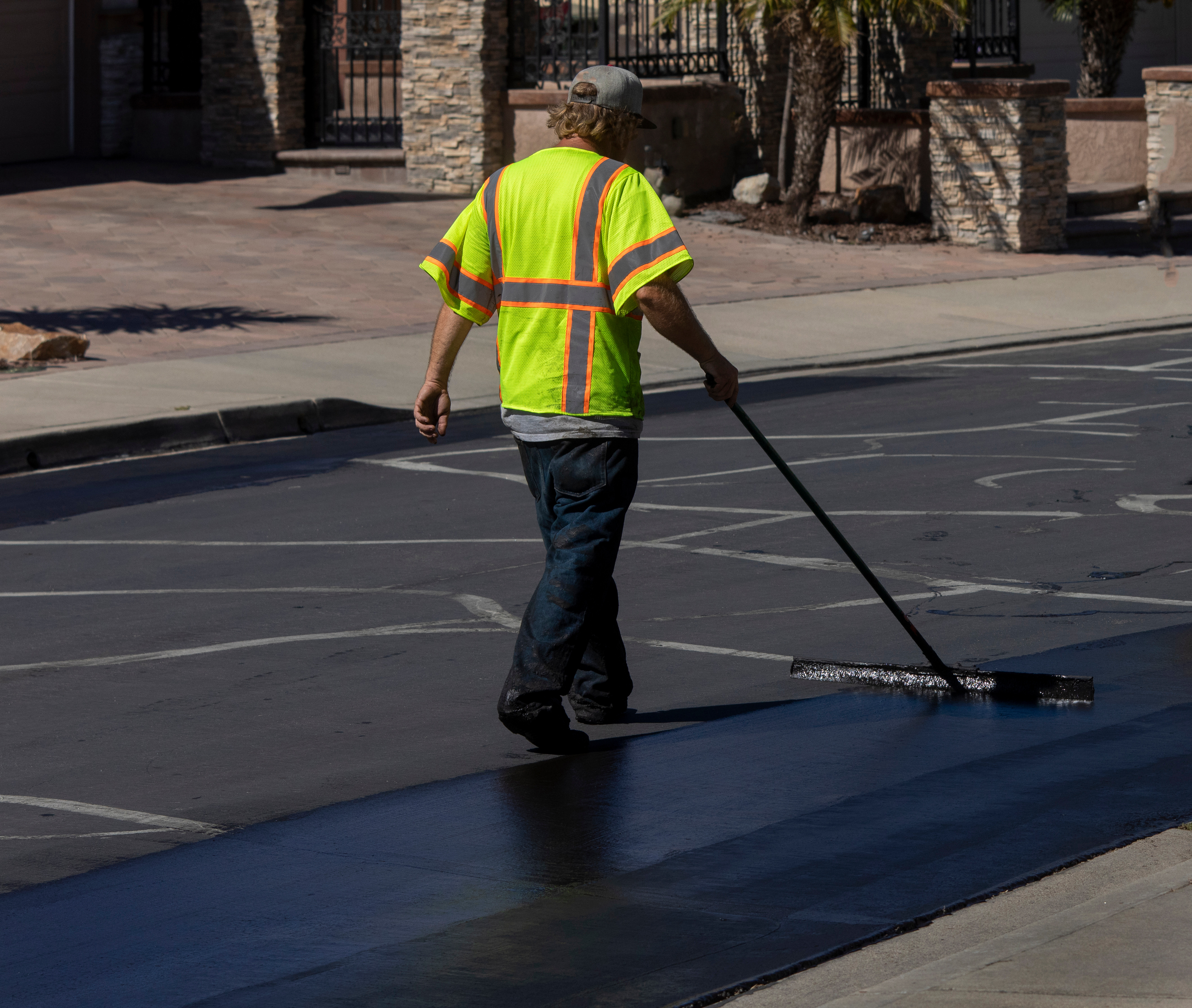
If you’ve ever wondered what sealcoating really is or why some properties always seem to have that smooth, rich blacktop finish, this post is for you. Sealcoating isn’t just about looks. It’s one of the smartest and most cost-effective ways to protect your asphalt, prevent major damage, and get more years out of your investment. In this post, we’ll explain what sealcoating is, how it works, when to apply it, and what kind of results you can expect. Whether you manage commercial properties, oversee an HOA, or just want your home to look its best, knowing how and when to sealcoat can save you serious time and money.
What Is Sealcoating?
Sealcoating is the process of applying a protective coating (usually a refined coal tar, asphalt-based emulsion, or polymer-modified sealer) to the surface of asphalt pavement. At its core, sealcoating acts as a barrier between the pavement and the elements that wear it down. The most common culprits of asphalt wear are water, sun, oil, gasoline, salt, and friction.
A freshly-laid asphalt pavement is flexible and resilient. Over time, though, UV exposure from the sun oxidizes the surface and dries it out. The pavement becomes brittle, small cracks form, and moisture begins to penetrate the base layers. Once that happens, each freeze-thaw cycle expands the cracks further, eventually leading to potholes and structural failure. Sealcoating slows this entire damaging chain down.
Materials Used in Sealcoating
There are a few materials to choose from when sealcoating, each offering its own advantages:
- Coal tar sealers: Known for durability and strong chemical resistance, they are often used in commercial settings.
- Asphalt emulsion sealers: Made from asphalt and water, producing lower odor and environmental impact.
- Polymer-modified sealers: Designed for higher performance and longevity, commonly used where heavier vehicle traffic is expected.
Typical Sealcoating Process
The sealcoating procedure follows a few simple, but important, steps:
- Cleaning the surface: Sweep, blow, and clear debris to encourage proper bonding.
- Repairing existing cracks: Use hot rubber crack sealant to prevent water infiltration.
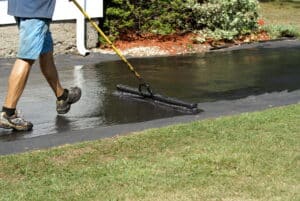
- Applying the sealer: Usually sprayed or squeegeed in one or two thin coats.
- Curing time: Allow 24–48 hours before opening to vehicles, depending on weather.
The goal is not to “fix” structural problems; it’s to prevent them from developing in the first place.
How Does Sealcoating Protect Your Asphalt?
Sealcoating works by shielding your asphalt from environmental and chemical damage. Here’s how that protection plays out over time:
1. UV and Oxidation Protection
Asphalt loses flexibility when exposed to sunlight. Sealcoating blocks UV rays, helping retain the pavement’s original binding oils. This prevents brittleness and reduces the likelihood of cracking.
2. Water Resistance
Water is asphalt’s biggest enemy. Once it seeps into cracks, it reaches the stone base beneath and starts eroding it. Sealcoating fills surface pores and creates a waterproof layer, helping keep moisture out.
3. Oil and Chemical Resistance
Parking lots take a beating from leaking vehicles. Gas and oil can soften asphalt and break down its tar binder. Sealcoating provides a chemical-resistant surface that prevents this breakdown.
4. Surface Smoothing and Aesthetic Enhancement
Sealcoating restores that deep, smooth, matte-black appearance that fresh asphalt is known for. This makes a property look well-maintained and improves traction.
5. Reduces Long-Term Repair Costs
By slowing deterioration, sealcoating helps you avoid costlier treatments like patching, resurfacing, or full replacement. It’s inexpensive compared to structural repairs and dramatically extends pavement life.
Why Should Property Owners Sealcoat?
Sealcoating is more than routine maintenance; it’s a strategic investment in your property. Better-looking pavement enhances safety, longevity, and resale appeal.
Benefits for Homeowners
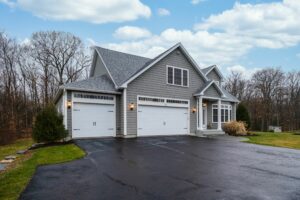
A well-sealed driveway improves curb appeal and prevents cracks that lead to expensive repairs. It also makes snow shoveling easier during winter and reduces weed growth in cracks.
Benefits for HOAs
Neighborhoods with consistent pavement maintenance look well cared for and maintain higher property values. Sealcoating also helps homeowners’ associations (HOAs) control future repair budgets by preventing early pavement failure.
Benefits for Commercial Properties
For businesses, pavement condition contributes to first impressions. A smooth, jet-black parking lot looks professional and helps guide traffic. Sealcoating also creates a safer surface for both vehicles and pedestrians by improving visibility of stripes and signage.
In every case, sealcoating provides:
- Lower lifecycle costs compared to reactive repairs
- Better resistance to weather and traffic damage
- Cleaner, more professional appearance
- Extended pavement lifespan—often by 10–15 years when maintained correctly
How Often Should You Sealcoat Asphalt?
For most pavements, every 2–3 years is the ideal sealcoating schedule. The timing depends on climate, traffic volume, and the type of sealer used.
- After New Asphalt Installation: Fresh asphalt needs time to cure and release oils. Wait 6–12 months before applying the first sealcoat. Applying too early can trap oils and weaken the pavement surface.
- High-Traffic Commercial Lots: Areas with large vehicle traffic, such as shopping centers, industrial facilities, and delivery routes, may benefit from sealing every 1–2 years to handle frequent wear.
- Residential Driveways: Typical driveways can often go slightly longer. They usually require a new sealcoat every 2–3 years, depending on sun exposure and cracking patterns.
How to Know It’s Time to Sealcoat
There are a handful of warning signs that homeowners should look out for that call for a new sealcoat. The most common cases include:
- Asphalt has faded to a dull gray
- Fine cracks are appearing on the surface
- The pavement feels dry or rough instead of smooth
- Oil stains are beginning to soak in
If the surface is already cracking severely or has dips and potholes, sealcoating alone will not fix it. In these cases, repairs or resurfacing may be needed first. The key is to apply a sealcoat before significant damage occurs.
Sealcoating FAQ for Property Owners
Does sealcoating fill cracks or potholes?
No. Cracks should be sealed beforehand, and potholes require patching (using asphalt). Sealcoating is a preventative surface treatment, not a repair method.
Will sealcoating make my pavement slippery?
No. In fact, sealers include fine aggregates, which improve traction and skid resistance.
What if it rains right after sealcoating?
If rain is expected, professionals will reschedule. Rain during curing can wash away the sealer and demand reapplication.
Can I sealcoat my asphalt myself?
For small residential driveways, DIY kits exist. However, professional sealcoating provides better durability, smoother appearance, and correctly mixed materials. For commercial or HOA sites, a professional application is strongly recommended.
How long do I need to stay off the surface?
It’s typically recommended for vehicles to stay off for 48–72 hours and pedestrians for about 12 hours. This can vary depending on temperature and humidity.
Does sealcoating extend the life of asphalt?
Yes. Regular sealing prevents oxidation, keeps moisture out, blocks chemical damage, and reduces surface wear, helping asphalt last significantly longer.
If you have any further questions, don’t be afraid to reach out to a professional. Sealcoating is the backbone of preventative maintenance, and a well-done job will keep your pavement durable, resistant, and clean.
For Worry-Free Sealcoating Help, Contact Superior Asphalt
Asphalt might seem tough, but without the right protection, it doesn’t take long for the elements to take their toll. At Superior Asphalt, we offer professional sealcoating and maintenance services designed to extend the life of your pavement and protect your property investment. Whether you need help planning your next maintenance cycle or want a quote tailored to your site, our team is here to help. Reach out today and let us help you keep your asphalt in top shape for years to come.