A small pothole or damaged patch of asphalt can seem like a simple weekend project, especially when DIY asphalt repair products are easy to find. For some minor issues, a basic patch may help stabilize the surface temporarily and improve safety. However, not every asphalt problem is as simple as it looks from the surface. Damage can come from water intrusion, weak base material, heavy traffic, poor drainage, or ongoing pavement deterioration. In this post, we will compare DIY asphalt patch repair and professional patching so property owners can understand what each option does well, where each one falls short, and how to decide which repair approach makes sense for a driveway, parking lot, or road.
How Are DIY Asphalt Patch Repair and Professional Patching Different?
The main difference comes down to three things: diagnosis, preparation, and materials. DIY patching is a surface-level repair that fills a visible hole or crack with materials you can grab from the store. Professional patching is much more specialized and detail-oriented.
- Materials: DIY products include cold-mix asphalt, liquid crack fillers, and patch compounds from home improvement stores. Professional repairs typically use hot-mix asphalt delivered fresh from a plant, plus tack coats for better adhesion. Sometimes they’ll do full-depth reconstruction when base materials have failed.
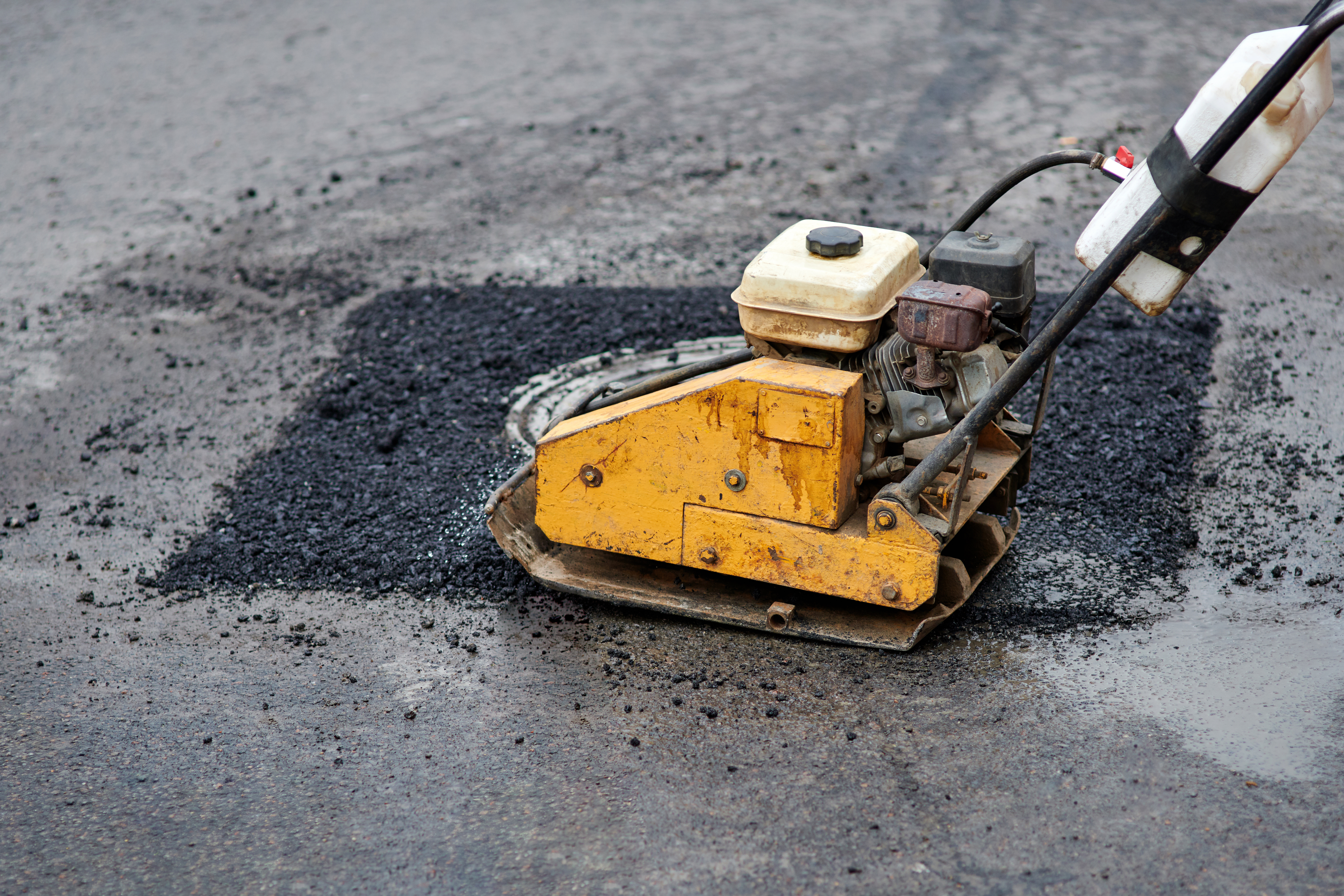
- Tools: You can handle DIY repairs with basic tools like a shovel, tamper, and rake. Professionals bring specialized equipment, including saws for clean cuts, compaction equipment for proper density, and hot asphalt applicators for better material placement.
- Preparation: DIY prep usually means cleaning out loose debris and adding the patch material. Professional preparation means cutting damaged areas to stable edges, checking base conditions, adding new base material if needed, and creating proper drainage slopes.
How Does Patching Affect the Lifespan of Asphalt?
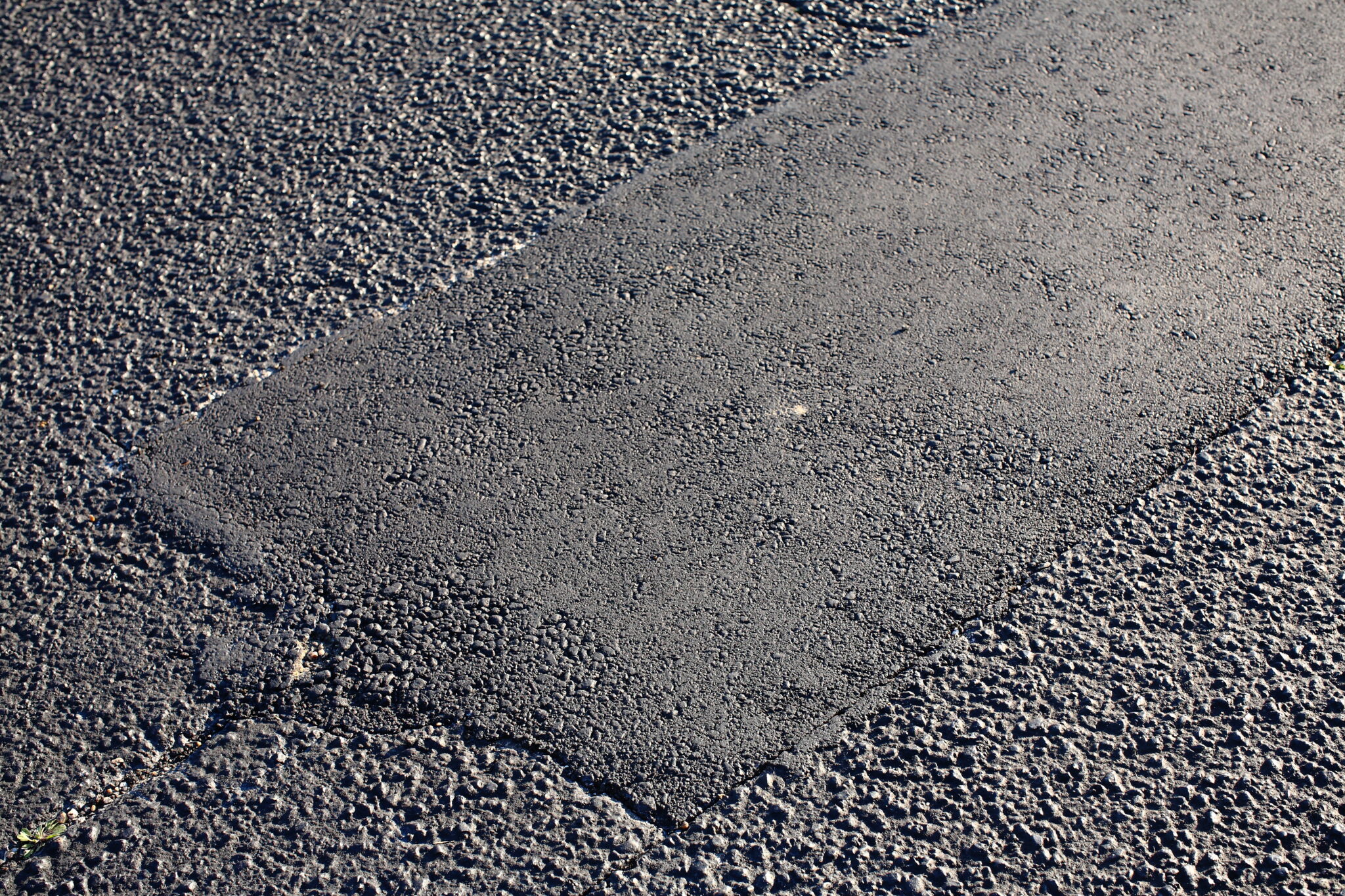
Quality patching extends pavement life by stopping water from getting in and preventing small problems from becoming major headaches. Poor patching, on the other hand, can actually make things worse.
When patches fail, water gets underneath and damages the base even more. A patch that’s not properly compacted will settle and create a depression that holds water. A patch that doesn’t bond well with existing asphalt creates seams where water can sneak in.
Understanding comprehensive asphalt maintenance strategies for property managers helps property owners make smart decisions about when to patch versus when to consider more extensive repairs.
Professional patches typically last 5-10 years when done right. DIY patches might last 1-3 years, depending on traffic, weather, and how bad the underlying problem truly is.
What Are the Pros and Cons of DIY Asphalt Patch Repair?
DIY asphalt patching works best for small, isolated problems where a fast and inexpensive repair is the main goal. Professional patching becomes more valuable when durability, traffic demands, or underlying pavement conditions are bigger concerns.
There is also a noticeable upfront cost difference. DIY materials for smaller repairs often cost around $20–50, while professional patching may start around $100–300, depending on the repair size and conditions. However, the long-term value depends heavily on how well the repair holds up over time. The tables below highlight where each type of repair performs best and where the trade-offs start to show.
DIY Asphalt Patch Repair
| Pros | Cons |
| Lower upfront cost for small repairs | Cold-mix asphalt does not bond as strongly as hot-mix |
| Can be completed immediately without scheduling | Poor prep work often leads to early patch failure |
| Useful for temporary fixes and emergencies | Difficult to evaluate base damage without experience |
| Works well for small potholes and isolated cracks | Repeated DIY repairs can become expensive over time |
| Good option for low-traffic residential areas | Limited durability in high-traffic or weather-exposed areas |
| Convenient for property owners who want a quick repair | No workmanship warranty or professional inspection |
Professional Asphalt Patching
| Pros | Cons |
| Longer-lasting and more durable repairs | Higher upfront cost |
| Better compaction and material quality | Requires scheduling and contractor availability |
| Professionals can identify base or drainage issues | May be unnecessary for very small temporary repairs |
| Better suited for parking lots and high-traffic areas | Larger repairs may involve more downtime |
| Often includes warranties or workmanship guarantees | Professional repairs may take longer to coordinate |
| More cost-effective in the long term for recurring damage |
Professional patching also provides a longer-term maintenance advantage. Most reputable contractors back their work with warranties, and properly completed repairs often last significantly longer than repeated temporary fixes.
What Should Property Owners Consider Before Choosing a Repair Option?
Your decision should be based on damage assessment, traffic levels, and your long-term plans for the property.
Damage assessment questions:
- Is this the first time this area has needed repair?
- Are there multiple problems in nearby areas?
- Does water pool in or near the damaged area?
- Is the damage in a high-traffic zone?
Size and depth matter
Damage larger than 3 feet in any direction usually benefits from professional repair. Anything that goes through the full asphalt thickness definitely needs professional evaluation.
Traffic considerations
Areas used by delivery trucks, snow plows, or heavy equipment need professional-grade repairs. The extra compaction and material quality prevent early failure under heavy loads.
Understanding how potholes develop from minor surface issues helps property owners recognize when early intervention with professional repairs can prevent more extensive damage.
Property planning factors
If you’re planning to sealcoat or resurface within two years, high-quality patches help prepare the surface. Poor patches create problems for future maintenance.
If you’re selling the property, professional patches look better and perform better during inspections. Buyers often see DIY patches as signs you’ve put off maintenance.
Budget and timing
Professional patching costs more upfront but often costs less per year of service life. DIY makes sense when cash flow is tight, and the damage is genuinely minor.
Emergency repairs are different. If you have a safety issue that needs immediate attention, DIY can provide temporary help until professional service is available.
California Department of Transportation’s flexible pavement preservation guidelines provide detailed specs for proper patching techniques that show why professional equipment and expertise matter for lasting repairs.
Weather factors also play a big role, as freeze-thaw cycles can rapidly deteriorate poorly executed patches, making professional installation even more important in climates with seasonal temperature changes.
The key is being honest about your situation and matching the repair method to the actual problem, not just what you can see on the surface.
Protect Your Asphalt Investment with Superior Asphalt
DIY asphalt patch repair can be useful for small, isolated pavement issues or short- term fixes, especially when a property owner wants to address a minor problem quickly. However, professional patching is usually the better long-term option when damage is larger, recurring, located in a high-traffic area, or tied to drainage, base failure, or widespread pavement deterioration. The main difference is that professional patching is not just filling a hole. It is evaluating the condition of the pavement, preparing the area properly, using the right repair method, and helping the surface perform better over time. Superior Asphalt provides asphalt repair, patching, crack sealing, sealcoating, and maintenance services for residential and commercial properties, with customized recommendations based on each property’s needs. Contact us today for a quote!