When asphalt starts breaking down, property owners often want a repair that does more than cover the problem for a few weeks. That is where hot patch asphalt comes in. Unlike quick temporary fixes, hot patching is commonly used for stronger, more durable repairs because the material is placed and compacted while hot, helping it bond more effectively with the surrounding pavement. In this post, we will explain what hot patch asphalt is, how it works, when it makes sense, how it compares to cold patch asphalt, and why professional asphalt patching can be an important part of protecting driveways, parking lots, and roads.
What Is Hot Patch Asphalt?
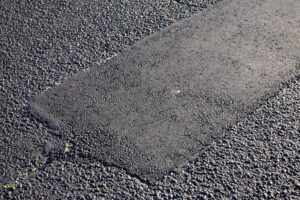
Hot patch asphalt is a repair method that uses a heated asphalt mixture to fix potholes, cracks, and damaged pavement areas. The material gets applied at temperatures between 300°F and 350°F. This heat allows it to flow better and create a stronger bond with your existing pavement.
Professional contractors use specialized equipment to keep the asphalt at the right temperature during transport and application. High-quality asphalt patching techniques require careful temperature management. That’s what makes hot patch repairs last much longer than quick fixes you might see crews applying on busy roads.
Why Is Hot Patch Asphalt Used for Pavement Repair?
The main reason people choose hot patch asphalt is longevity. When done right, hot patch repairs can last several years instead of just a few months.
Hot asphalt actually bonds chemically with your existing pavement because both materials are petroleum-based. The heat helps the new material blend with the old rather than just sitting on top of it. Cold patch materials rely mainly on being pressed down and don’t achieve the same level of integration.
How Does Hot Patch Asphalt Work?
The hot patch process follows a simple pipeline:
- First, the damaged area must be prepared properly. Contractors remove loose debris, clean out any standing water, and cut clean edges around the damaged pavement. This preparation step often makes the difference between a repair that lasts and one that fails within months.
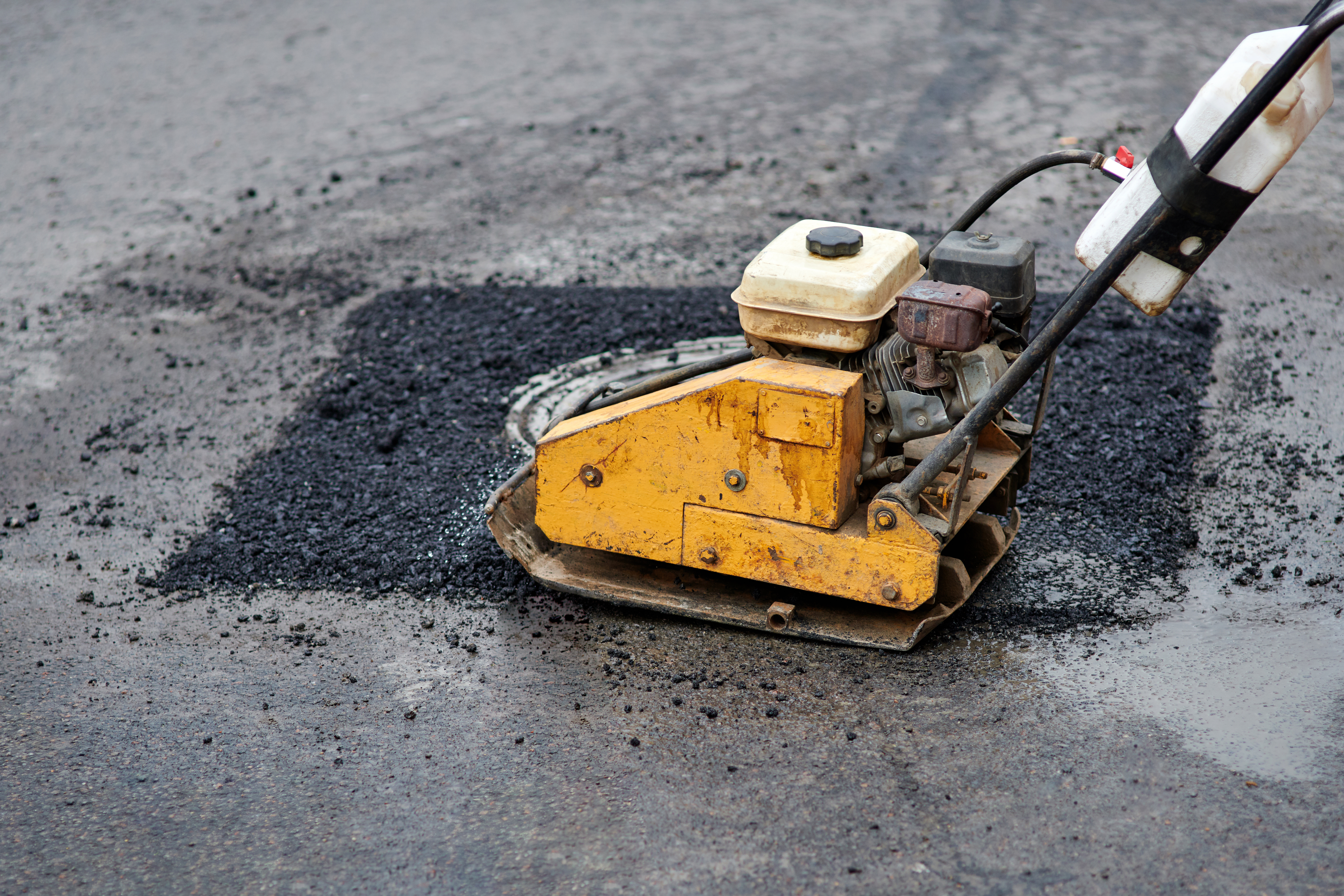
- Next, the damaged area gets filled with hot asphalt mix. If the damage is serious, the material is applied in layers. Each layer gets compacted before adding the next one. Efficient hot asphalt patching techniques and compaction procedures are essential for creating the density needed to handle traffic loads.
- The final step involves smoothing the surface and making sure water drains properly. Hot asphalt stays workable longer than cold patch, so contractors have time to get the grade and slope right. This matters because water sitting on or near the repair will eventually cause problems.
Most hot patch repairs cure and harden as they cool. They reach full strength within 24 to 48 hours. Traffic can usually return to the area within a few hours, depending on the size of the repair and weather conditions.
The process sounds simple, but how it’s done makes all the difference. Proper preparation, correct temperatures, and good compaction all affect how long the repair lasts.
What Types of Damage Can Hot Patch Asphalt Repair?
Hot patch asphalt works best for localized pavement damage where the base underneath is still solid. It’s particularly good for several common problems.
Potholes
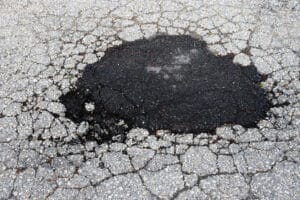
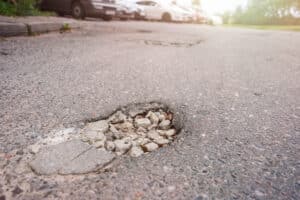
This is the most obvious choice for hot patch repair. The material fills the hole completely and bonds with the surrounding pavement edges when applied correctly. Small to medium-sized potholes work especially well because the repair area has good support from the undamaged pavement around it. Understanding how potholes form helps property managers know when hot patch repairs work best.
Depressions and settling
Repairs for depressions and settling are especially useful when the settling only affects the asphalt layer. If the problem goes down to the base or subgrade, a hot patch alone won’t solve it permanently.
Edge failures
These raptors are done along curbs, drainage areas, or where asphalt meets concrete, and often benefit from hot patch repair. The heated material flows better into irregular shapes and creates a better seal against water.
Alligator cracking
This type of cracking is found in small areas and can sometimes be repaired with hot patch asphalt if the cracking hasn’t affected the base underneath. However, widespread alligator cracking usually means deeper structural problems that need more extensive repair. Property managers should understand what alligator cracking means for their pavement before deciding on repair methods.
Hot patch repair isn’t right for every type of damage. Problems caused by poor drainage and deep-rooted structural damage typically need different solutions. There are many different repair techniques available depending on the type and extent of damage you’re dealing with.
How Does Hot Patch Asphalt Fit Into a Larger Maintenance Plan?
Smart property owners don’t wait for major pavement failure before fixing problems. Hot patch repairs work best as part of a proactive maintenance approach rather than emergency fixes. Here are some important factors to consider:
Timing: Small potholes and localized damage cost much less to repair than letting them grow into bigger problems. Water getting through small cracks can undermine the base layer. This turns a simple hot patch repair into a major reconstruction project.
Seasonal choice: Hot patch repairs work better when completed during warmer months. The asphalt has time to cure properly before winter freeze-thaw cycles begin. Fall repairs often hold up better than emergency winter fixes. Understanding how freeze-thaw cycles damage asphalt helps explain why timing matters for repair longevity.
Traffic management: This affects how long repairs last. High-traffic areas put more stress on repairs, so proper preparation and compaction become even more important. Some property managers schedule hot patch work during lower-traffic periods to give repairs time to reach full strength.
Keeping records: Record keeping is essential for long-term planning. Track where repairs were made, when they were completed, and how they’re holding up. This helps identify patterns that might indicate larger drainage or base problems.
The goal is to prevent small problems from becoming big ones. Professional asphalt maintenance strategies emphasize that hot patch repairs are most cost-effective when they’re part of regular maintenance rather than emergency responses to major failures.
Drainage integration: Hot patch repairs in areas with poor drainage tend to fail faster because water continues to undermine the pavement structure. Sometimes, fixing drainage issues needs to happen alongside or before the hot patch work.
Budget planning: It’s important to understand that hot patch repairs cost more upfront than cold patch, but they typically provide better long-term value. Property managers who budget for quality repairs often spend less overall than those who repeatedly apply quick fixes. Seasonal asphalt maintenance guidelines can help with planning repair schedules and budgets.
Consider the pros and cons of different repair options and think about what you value most. If you want a long-term fix and are able to repair in warmer weather, hot mix asphalt is the way to go.
Superior Asphalt Can Give You a Repair Recommendation Based on Your Specific Needs
Hot patch asphalt is a durable repair option for potholes, depressions, and localized pavement damage on driveways, parking lots, and roads. It is often a stronger option than quick temporary fixes because the material is placed hot, properly compacted, and designed to create a more stable repair. However, the quality of the result depends heavily on the condition of the surrounding pavement, the preparation process, drainage, traffic, and whether there are deeper issues below the surface.
If you are dealing with asphalt damage, Superior Asphalt is here to help. We offer professional asphalt repair and maintenance services to property owners in Utah. Contact us for a property-specific quote to determine the best repair approach for your specific situation.