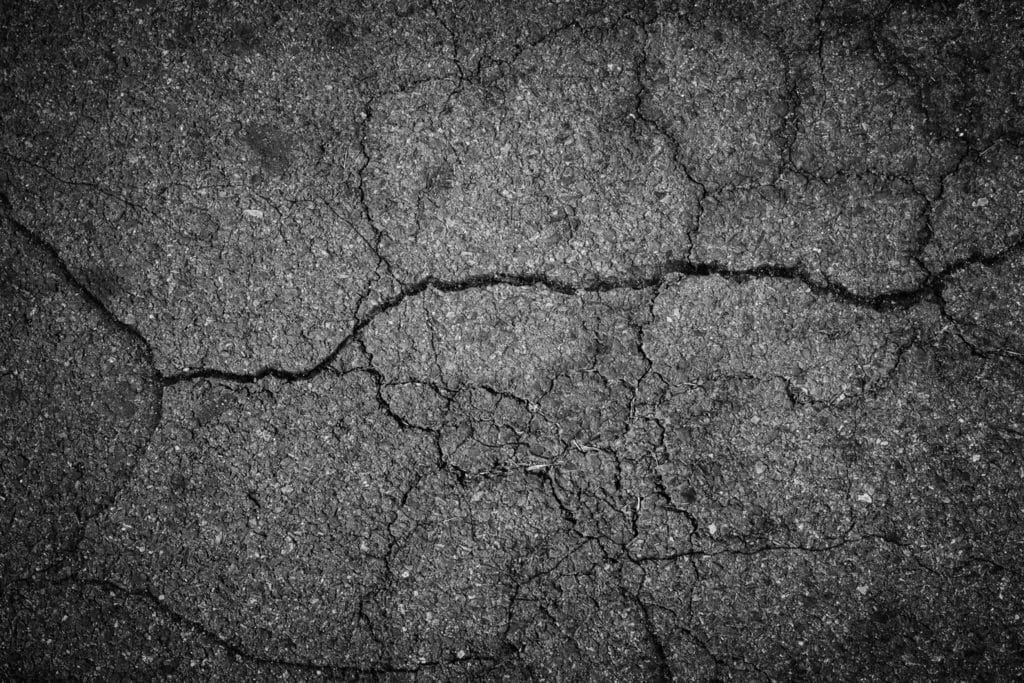
Cracked asphalt is the root problem behind most pavement failure, and catching it early is the key to avoiding expensive repairs. Asphalt is a durable, attractive choice for driveways and parking lots, but weather, traffic, and age cause it to crack over time. Once a crack opens, water seeps into the base beneath the pavement and washes away the support, which leads to deeper deterioration, potholes, and eventually full replacement.
The good news is that cracks do not have to become a major expense. Asphalt crack sealing and asphalt crack repair are both cost-effective ways to protect your pavement, as long as you use the right method for the type and severity of the crack. Below, we cover what causes asphalt cracks, which cracks can be sealed, and when a crack needs a full repair instead.
Cracked Asphalt Causes
Over time, cracks may appear in asphalt. Cracks in the pavement interfere with the parking lot’s appearance and cause the pavement to deteriorate. Below are some of the most common causes of asphalt cracks.
- Age — Regardless of the materials you use, you may need to maintain asphalt paving after a few years. Several combined factors, including moisture, the sun, fatigue, and freezing, can make asphalt age and crack.
- Sun — The sun may cause asphalt to crack because it gets rid of the moisture and makes the pavement brittle. Combined with other factors like pedestrian and vehicle traffic, cracks appear on the pavement.
- Moisture — Moisture is one of the main culprits of asphalt cracking. When it oozes into the pavement’s base and sub base, it washes sediment away. Consequently, cracks appear on the asphalt. Most cracked pavements cracked due to excess moisture.
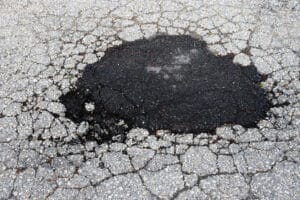
- Fatigue — When there is heavy vehicle or human traffic, and when vehicles remain parked on asphalt for a long time, cracks may appear. This is called alligator or fatigue cracking.
- Freezing — During winter, freezing and thawing take place continuously. The cycle may make the pavement shift hence resulting in cracks.
Read More: Why Asphalt Cracks Form
Asphalt Cracks That Can Be Sealed
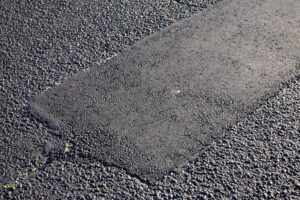
Crack seal products are ideal for filling separate cracks to ward off the entry of water, dirt, rocks, weeds, and other substances. They can be used on cracks ¼ inch to one inch in width.
Crack sealing works best on the following types of asphalt cracks:
Larger Asphalt Cracks Needing Special Sealants
Mastic is a specialized product that is made to help seal asphalt cracks that are too wide to be sealed with standard rubberized crack sealant, but not yet expansive enough t need repairs. It is meant for cracks wider than one inch and up to two inches deep.
Made of asphalt binders and mineral fillers, if used properly, your Mastic repairs can last for more than six years.
You can use mastic to seal cracks that are too large but don’t yet need a full replacement. It efficiently repairs large and wide cracks and doesn’t require the manpower that full-blown asphalt repairs require. Additionally, it ensures that the repair lasts for much longer.
However, mastic asphalt sealants can only be used in very specific circumstances. According to our supplier Maxwell Products, its mastic crack repair solution is effective in the following circumstances:
- Depressions
- Fatigue alligator cracking
- Open seams
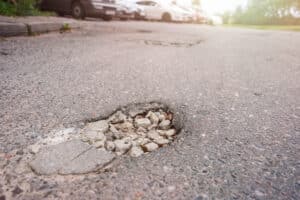
- Small voids and potholes
- Wide cracks
Asphalt Cracks That Need Repairs
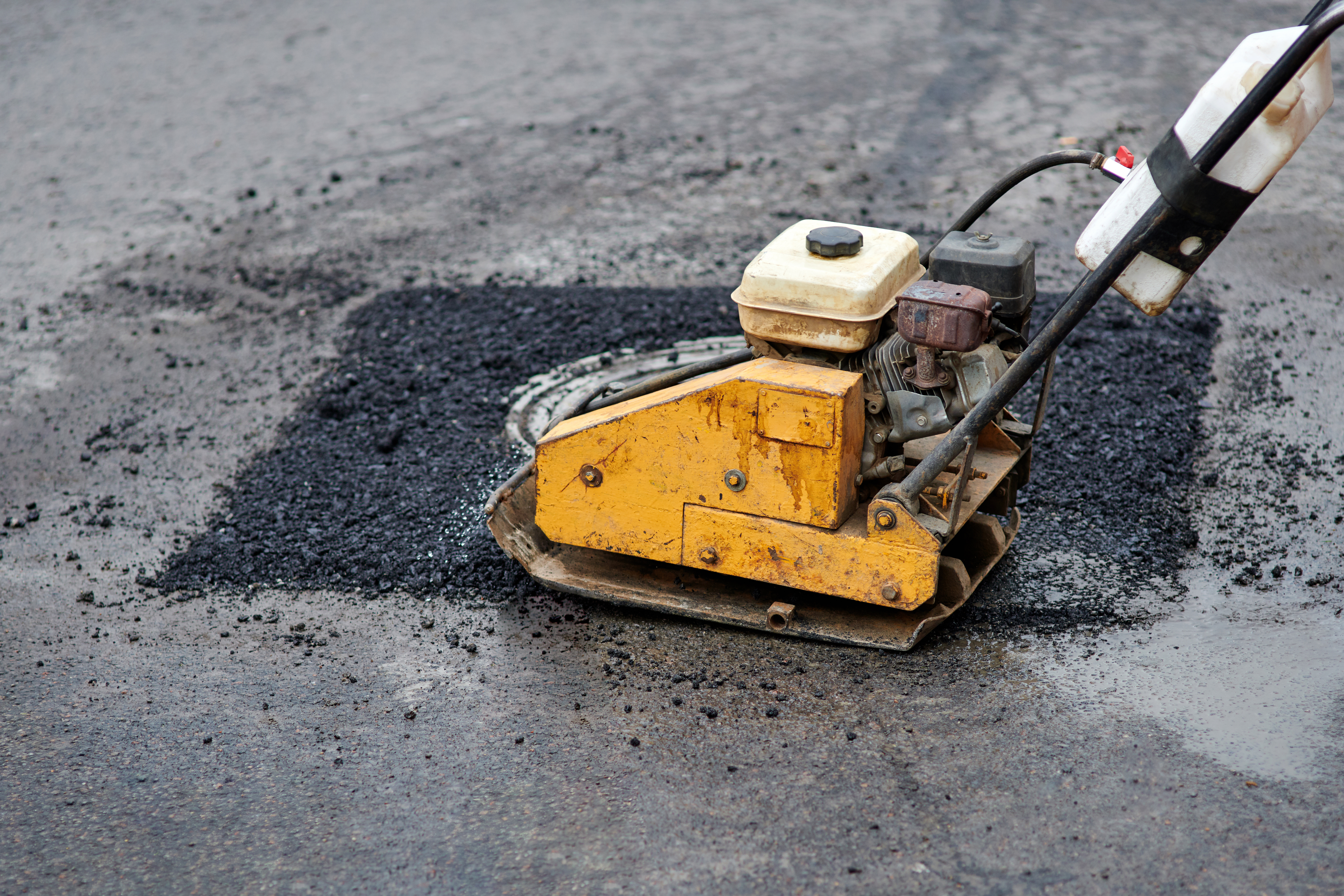
Severe cracks can’t be sealed using a crack sealant. You will need a more efficient and long-lasting solution; asphalt patching.
One example is extensive fatigue (alligator) cracking. Crack sealing and seal coating can temporarily staunch the spread of alligator cracks, but a full dig-out and replacement patch is the only long-term solution. This is because it gives your asphalt team the chance to strengthen the pavement’s foundation by properly installing a supportive subbase below the pavement.
Another example is cracks that have become too wide for even mastic repairs. While probably less extensive than any alligator cracking, wide-open asphalt cracks larger than one-inch spell disaster for adjacent pavement, when water is allowed to flow in and either freeze or wash away subbase.
Read More: Asphalt Crack Repair 101 for Property Managers
Cracked Asphalt Tips and Reminders for Property Managers
- Be sure to inspect your parking lots and driveways in the fall or spring.
- Choose the right sealant based on the condition of the pavement. Other factors to consider are the sealant properties, weather, and the service life of the pavement, among others. Though crack sealing may be the less costly solution, it may also be less effective than patching.
- Consult with your asphalt experts on alligatored areas to prioritize patch repairs and budget for the future.
If you need any further assistance or clarifications, feel free to contact Utah’s Superior Asphalt, LC today for professional asphalt maintenance help.
Frequently Asked Questions
What causes asphalt to crack?
Asphalt cracks come from a combination of factors that build up over time. Age makes pavement brittle, sun exposure draws out moisture and weakens the surface, and water seeping into the base washes away the sediment that supports the pavement. Heavy or constant traffic creates fatigue cracking, and in winter the repeated freeze and thaw cycle shifts the pavement and opens new cracks. Moisture is one of the most common culprits behind serious cracking.
What size asphalt cracks can be sealed?
Standard rubberized crack sealant works well on cracks from about 1/4 inch up to one inch wide, including transverse, longitudinal, block, and reflective cracks. For cracks wider than one inch and up to two inches deep, a specialized product called mastic can seal the gap without a full repair. Anything beyond that range usually needs patching instead of sealing.
What is mastic and when is it used?
Mastic is a specialized sealant made from asphalt binders and mineral fillers, designed for cracks too wide for standard sealant but not yet severe enough to require repair. It is typically used on cracks wider than one inch, along with depressions, open seams, small voids and potholes, and early alligator cracking. Applied properly, mastic repairs can last more than six years and require far less labor than a full asphalt patch.
When does cracked asphalt need repair instead of sealing?
Sealing is no longer enough once cracks become severe. Extensive fatigue or alligator cracking requires a full dig-out and replacement patch, because that is the only way to rebuild the supportive subbase beneath the pavement. Cracks wider than one inch that have grown past what mastic can handle also need repair, since open cracks let water reach the base where it freezes or washes away support. An asphalt professional can confirm which areas to prioritize.